The hardest part of mining canal dredging is not always the sediment. It is what happens to the rest of the site when the canal cannot move water the way it was designed to.
A little sediment in a bend may not look urgent. Then the canal keeps losing capacity. Stormwater backs up. Process water slows down. Pumps work harder. Roads, pits, and production areas get exposed to flooding. What should have been a planned maintenance job turns into an emergency cleanout.

That is why mine canal dredging should not be treated as a one-time excavation problem. It is a water-management, production, access, and pumping problem. The right approach keeps material moving without creating a larger disruption than the sediment itself. For a deeper guide on sediment removal methods, see EDDY Pump’s article on how to remove sediment from mine drainage canals.
|
Quick Answer Mining canal dredging disrupts operations when the work requires dewatering, mechanical excavation, truck traffic, heavy equipment access, flow interruption, or extended environmental controls. The disruption can be reduced by mapping the sediment, phasing the work, using hydraulic dredging where the canal must remain wet, pumping sediment through a discharge pipeline, and sizing the pump, pipe, power, and booster support around the actual slurry and discharge distance. |
Key Takeaways
- Sediment buildup reduces canal capacity, increases flood risk, and forces downstream pumps and water-management systems to work harder.
- Conventional excavation can create major downtime when the canal must be drained, accessed by heavy equipment, cleaned, refilled, and restarted.
- Hydraulic slurry pump dredging can reduce disruption by removing submerged sediment through a pipeline while the canal remains wet or partially in service.
- Access matters. Excavator attachments, cable-deployed pumps, dredge sleds, and modular dredges each solve a different site constraint.
- The best project plan looks at sediment, canal geometry, discharge distance, power, environmental controls, and the operating window before selecting equipment.
Why Mining Canal Dredging Becomes an Operations Problem
Mine canals are usually built to move stormwater, process water, pit drainage, runoff, or tailings water from one part of the site to another. When sediment builds up, the canal still may appear to flow, but the available cross-section is smaller. That means less capacity when the site needs it most.
Sediment usually collects where velocity drops: bends, widened sections, low-gradient reaches, culverts, junctions, damaged liners, or flat areas near discharge structures. Fine tailings, sand, silt, scale, sludge, and mineral fines settle in layers. If the material is left too long, it can consolidate and become harder to remove.
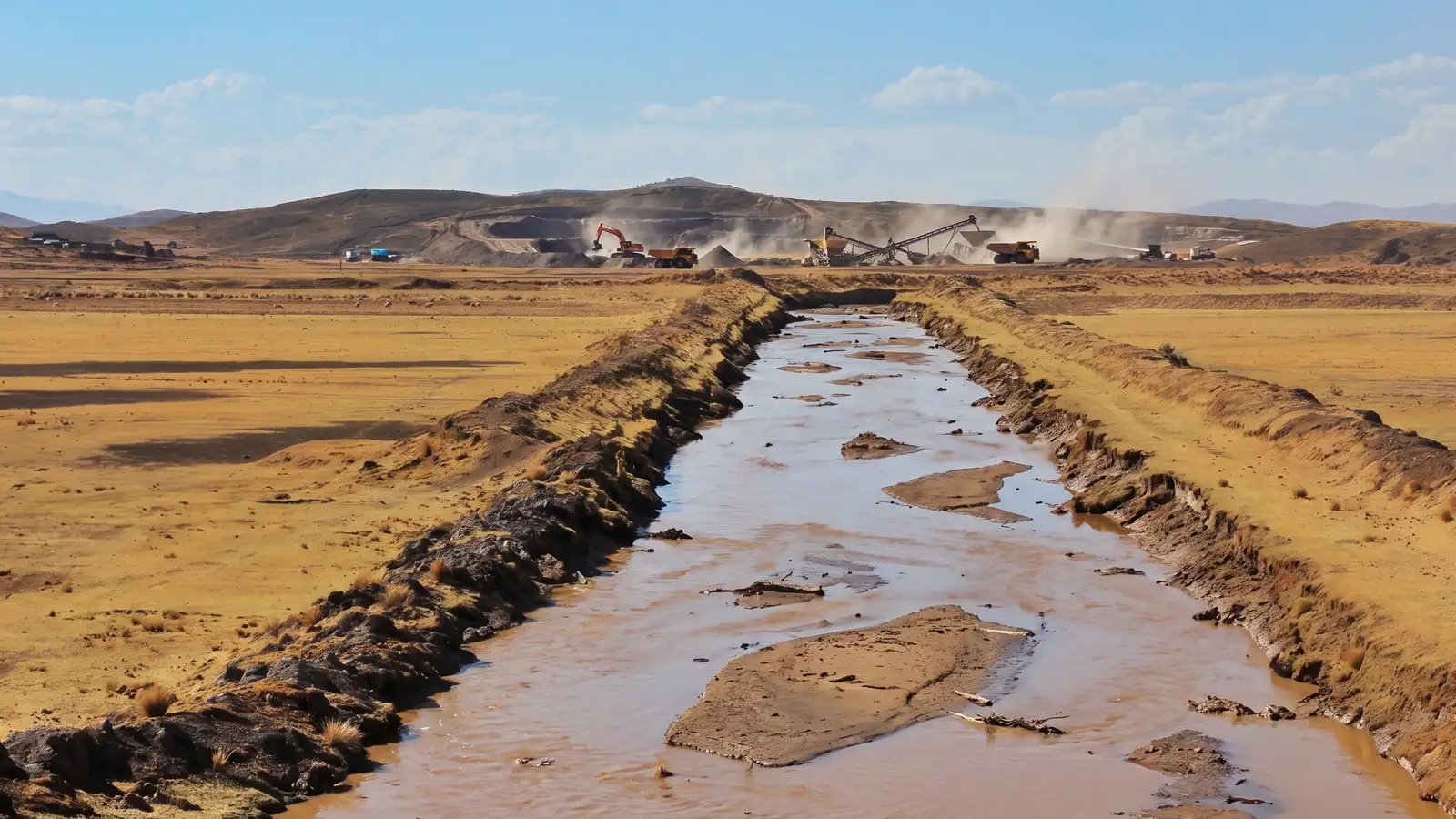
The disruption starts when the site has to choose between restoring the canal and keeping the operation running. If the dredging method requires a full shutdown, dewatering, road building, trucking, or extended staging, the maintenance event can affect production well beyond the canal itself.
Why Conventional Canal Dredging Can Cause Downtime
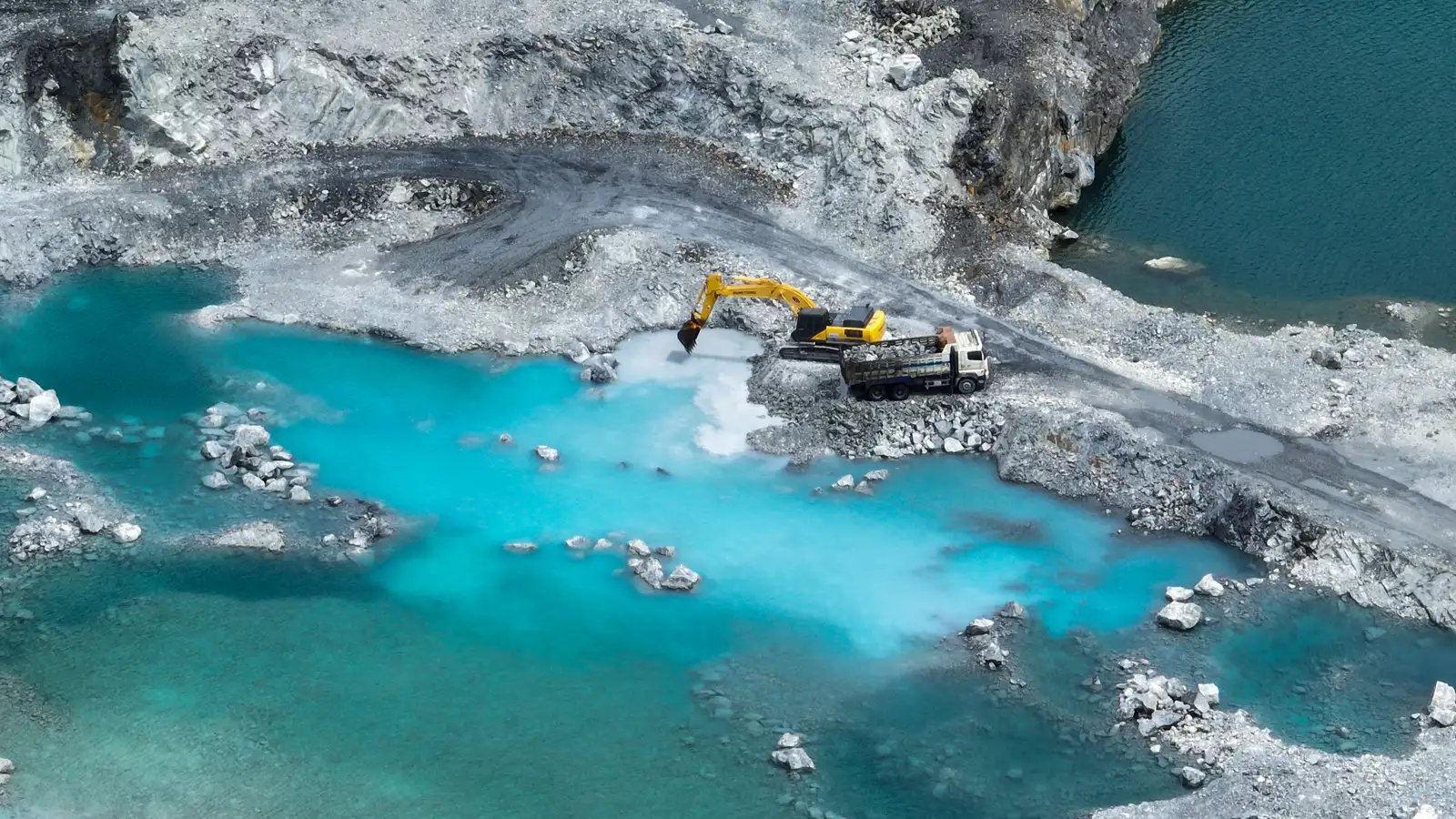
Mechanical excavation still has a place. It can work well when the canal is dry, access is safe, sediment is localized, and trucks or loaders can move material without interfering with production. The problem is that many mining canals are not easy to reach, easy to drain, or easy to isolate.
|
Disruption Point |
Why It Affects Mining Operations |
|---|---|
|
Dewatering |
The canal section may need to be drained before excavation, which can interrupt flow, add pumping requirements, and extend the schedule. |
|
Heavy equipment access |
Excavators, cranes, and trucks need stable ground, staging area, and haul routes that may not exist near narrow or remote canal sections. |
|
Repeated material handling |
Wet sediment may be excavated, loaded, hauled, dumped, dried, and handled again, which adds labor, traffic, and safety exposure. |
|
Canal geometry or liner risk |
Buckets and tracks can damage liners, slopes, grade, or canal shape if the work is not carefully controlled. |
|
Environmental controls |
Disturbed sediment, turbidity, runoff, and disposal requirements may require containment, monitoring, or permit coordination. |
|
Production conflicts |
Dredging equipment, haul roads, and water-management changes can interfere with active mine traffic or process operations. |
How Hydraulic Dredging Reduces Operational Disruption
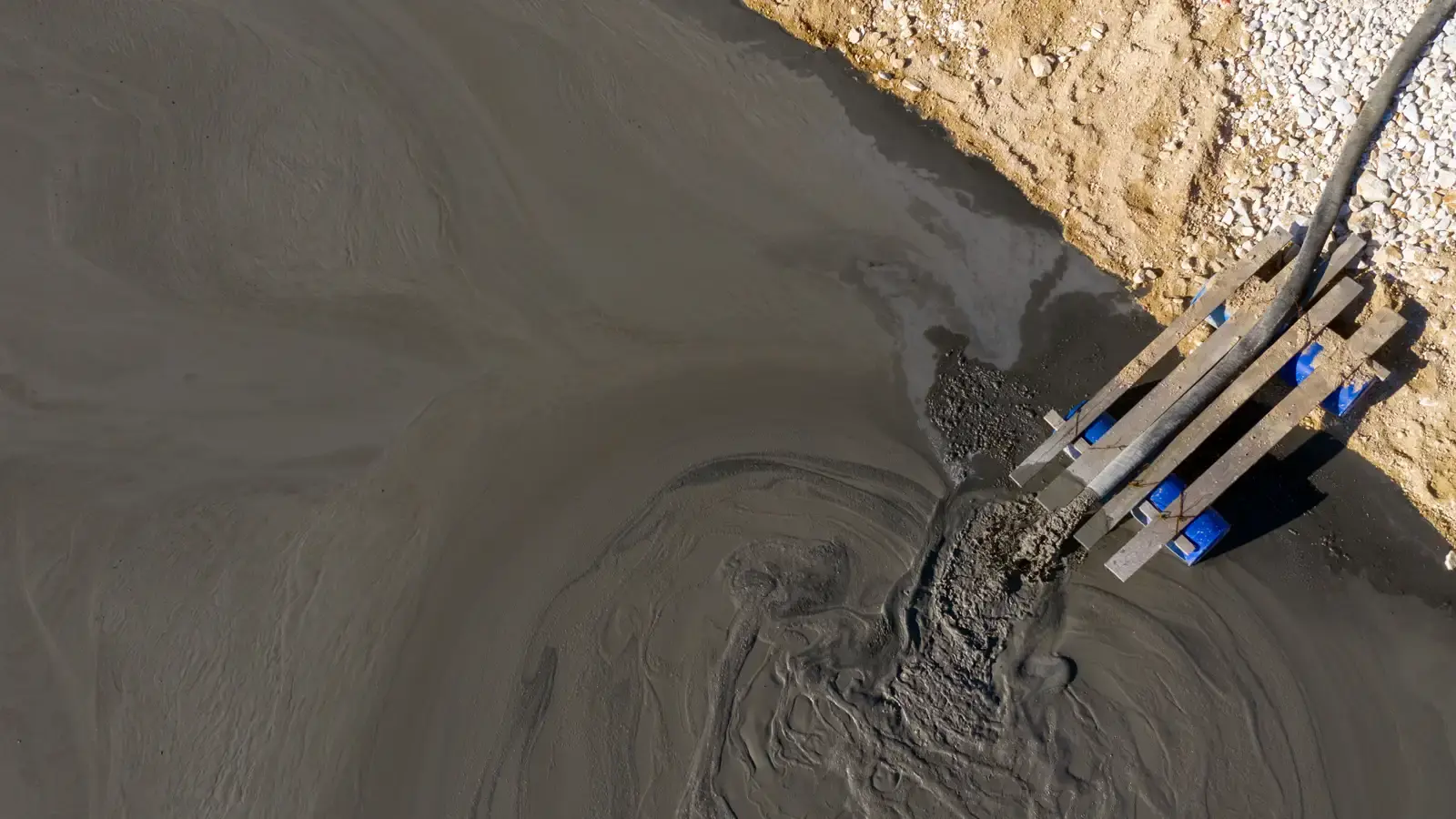
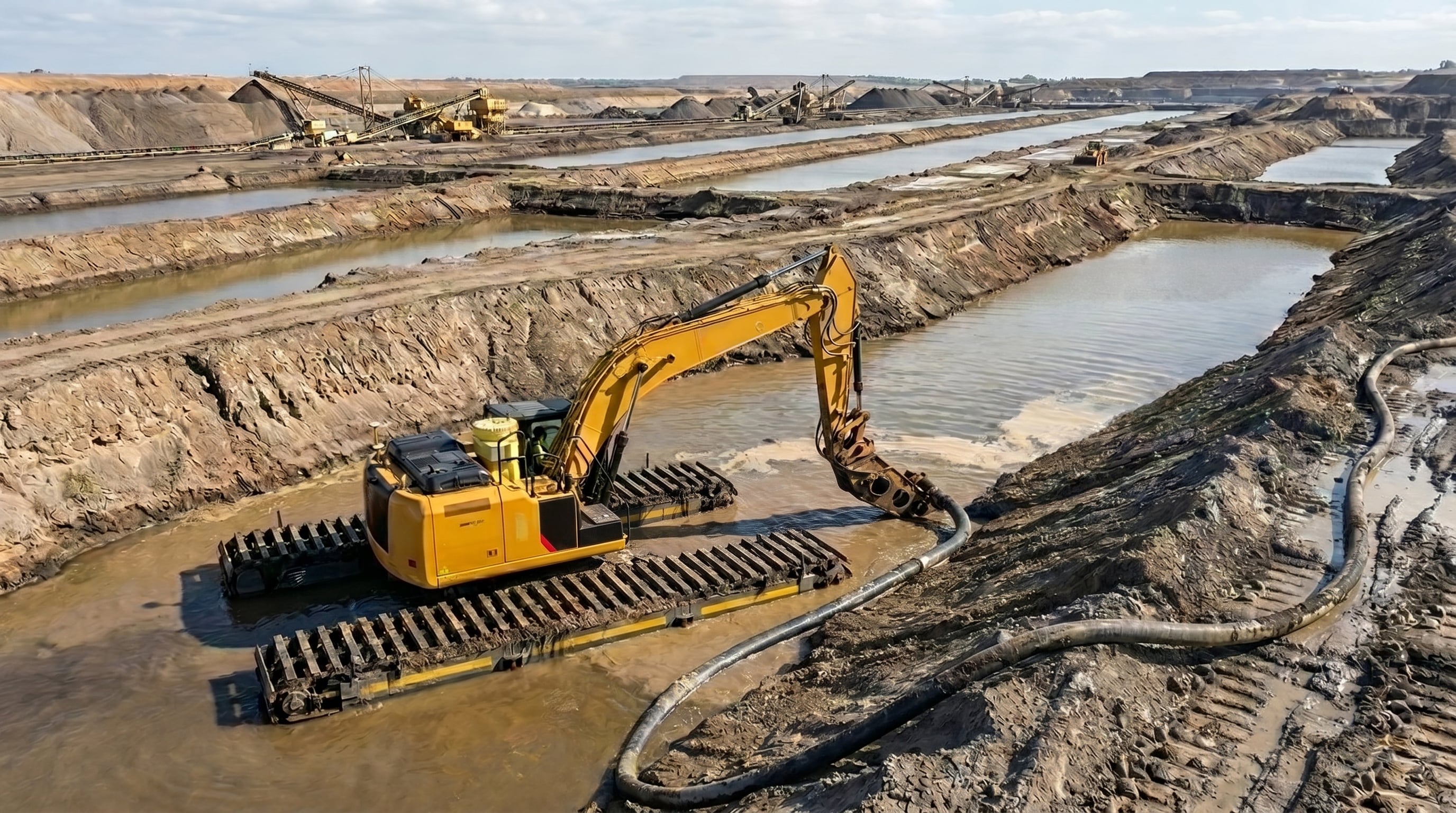
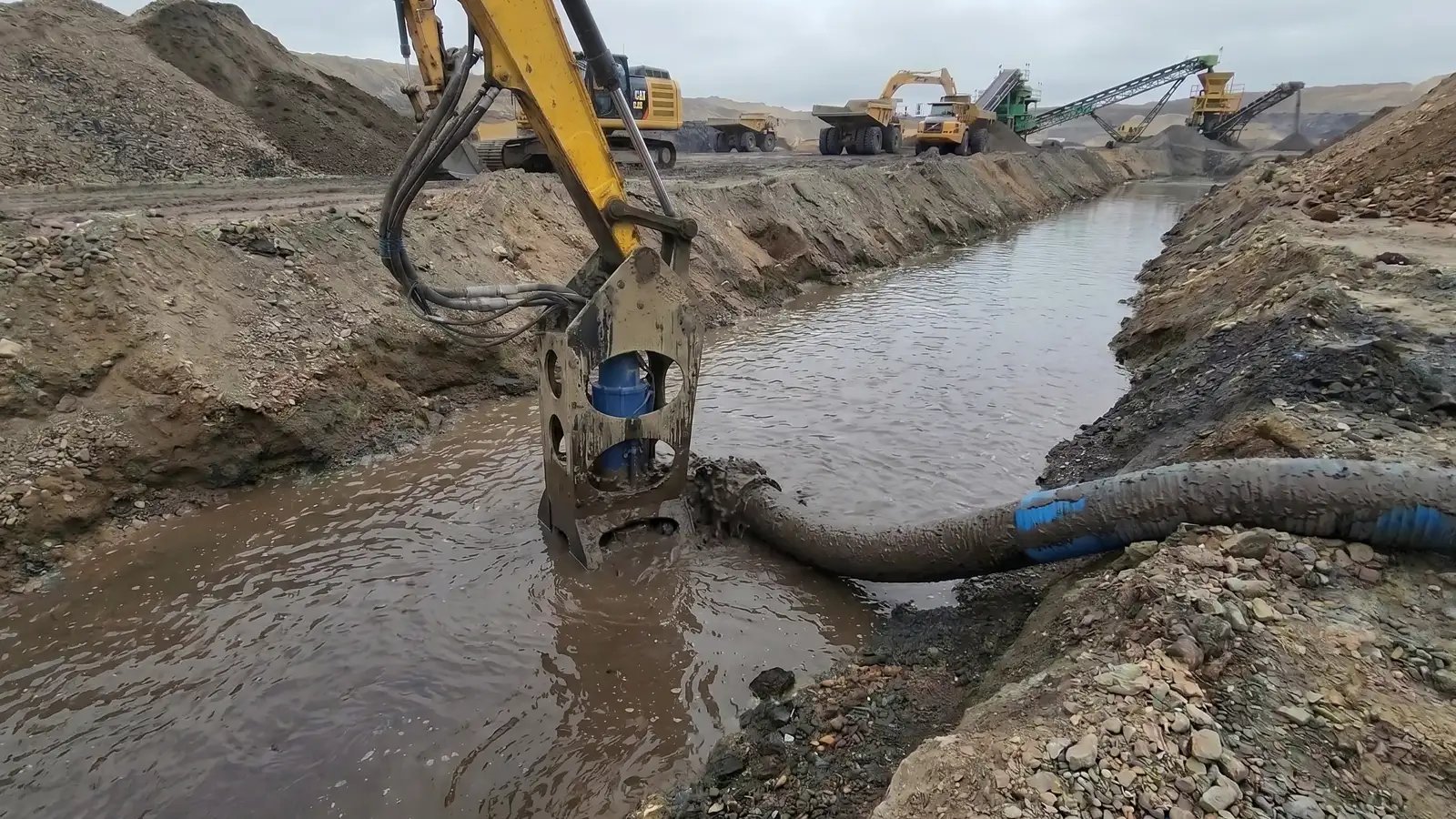
Hydraulic dredging changes the workflow. Instead of draining the canal and mechanically removing wet material in repeated handling steps, the system loosens sediment, draws it into a pump, and transfers the slurry through a discharge pipeline to a settling area, dewatering system, process circuit, containment area, or disposal location.
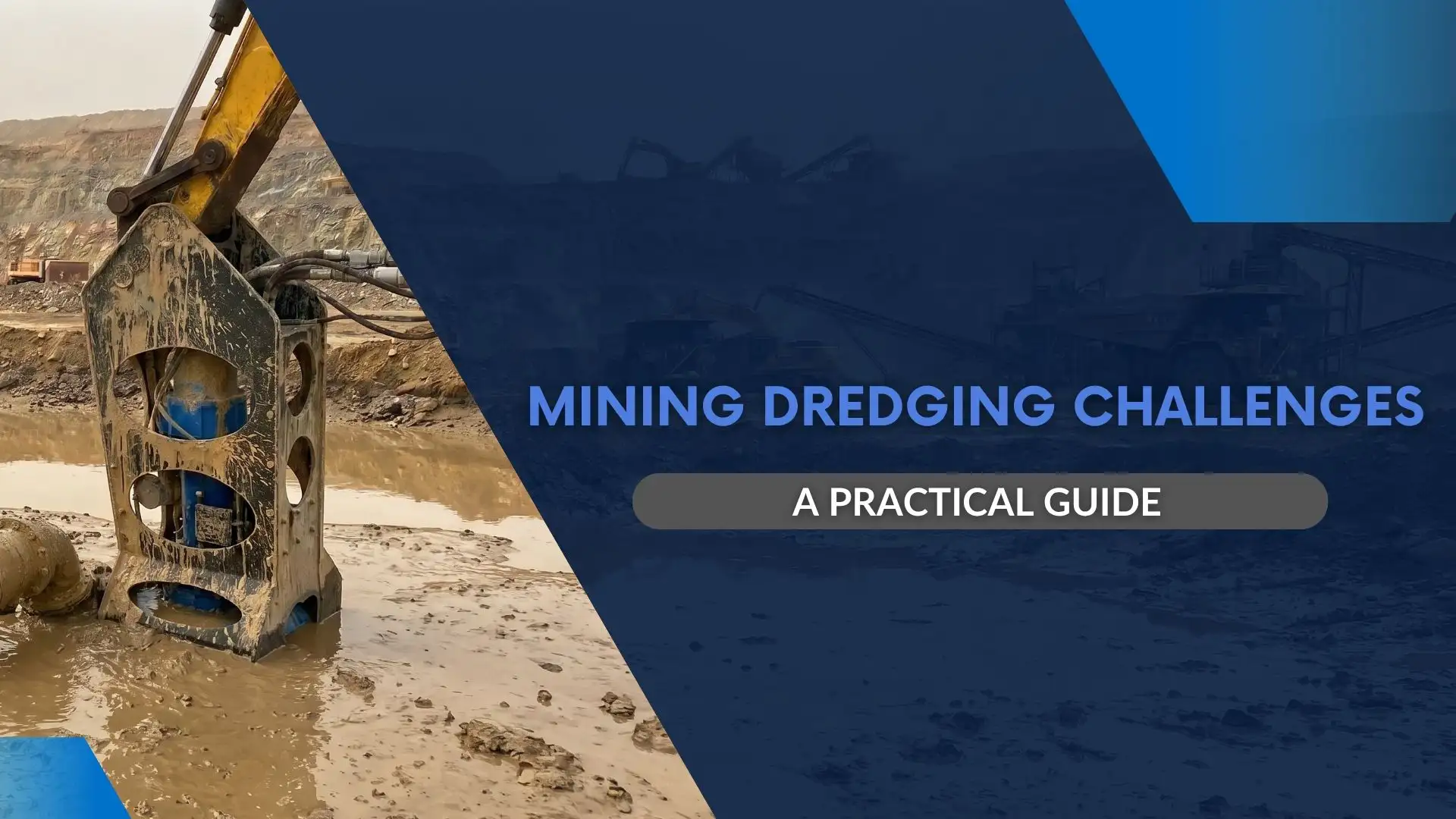
EDDY Pump dredging equipment is designed for high-solids slurry, abrasive sediment, and difficult access applications. Depending on the site, the equipment may be deployed from the bank, from a crane or A-frame, from a dredge platform, or as a modular system assembled near the work area.
- The canal may not need to be fully dewatered.
- Material moves continuously through a pipeline instead of by repeated truck loading.
- The pump can be positioned where access is limited or unsafe for conventional excavators.
- Work can often be phased so part of the canal or water-management system remains in service.
- Longer discharge distances can be supported with booster pumps when the pipeline requires additional head.
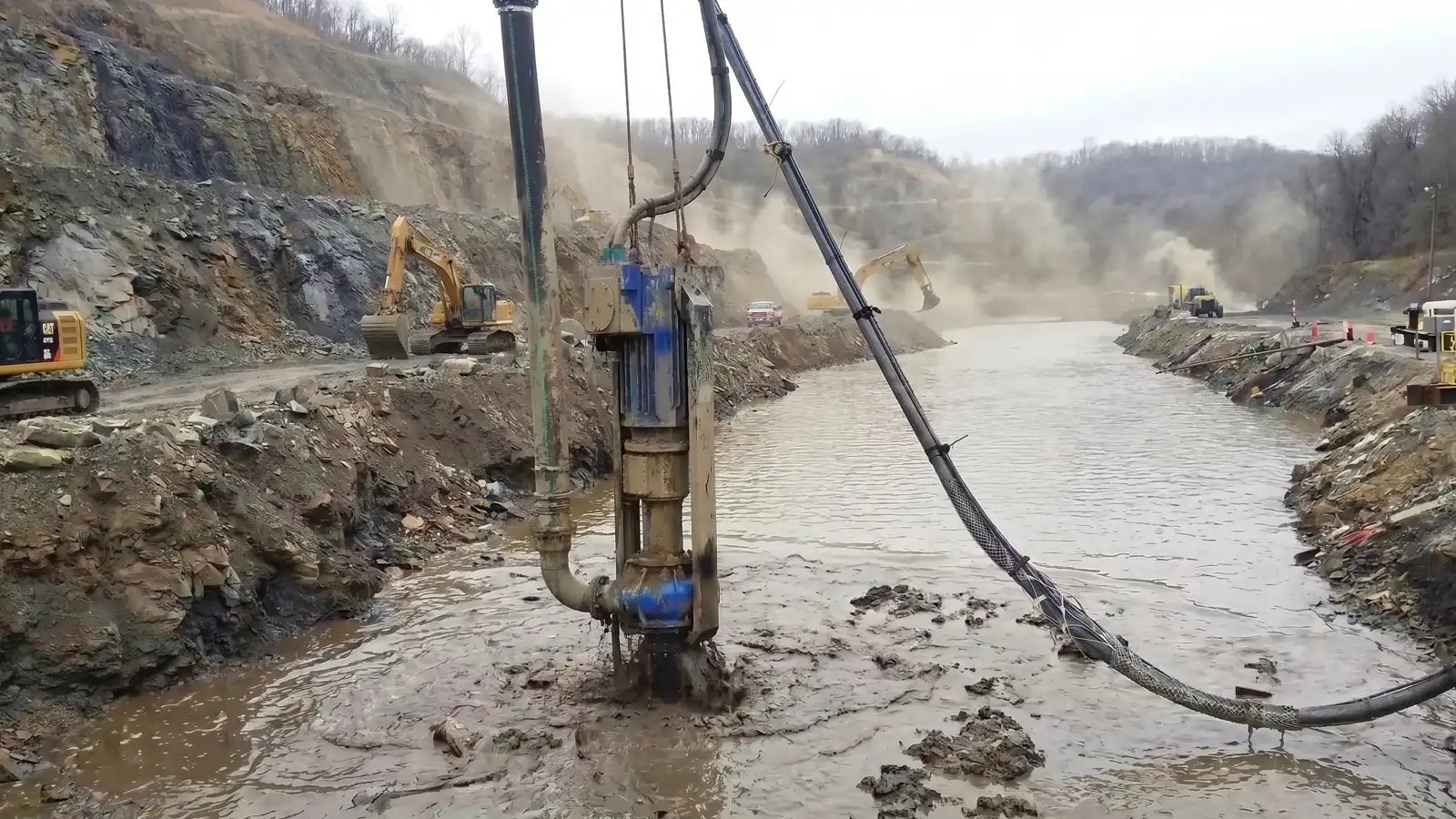
This does not mean hydraulic dredging eliminates every shutdown or permit requirement. It means the site may be able to reduce the number of support steps that create downtime.
Which EDDY Pump Configuration Fits the Canal?
The best dredging system depends on access, canal depth, sediment type, discharge distance, power availability, and how much of the operation must stay online. The goal is not to force one product into every canal. The goal is to match the deployment method to the disruption you are trying to avoid.
|
Site Condition |
Best Starting Point |
Why It Helps |
|---|---|---|
|
Excavator can safely reach the canal from the bank |
Excavator Pump Attachment |
Uses existing excavator reach for controlled cutting, agitation, and pumping from accessible canal sections. |
|
Canal is deep, remote, or hard to reach with equipment |
Cable-Deployed Dredge Pump |
Pump can be lowered from a crane, excavator, barge, or A-frame with less ground access than mechanical excavation. |
|
Shallow pond, lagoon, or settling basin connected to the canal system |
Dredge Sled |
Portable, low-profile option for continuous sediment removal in shallow or confined basins. |
|
Large production target or longer maintenance campaign |
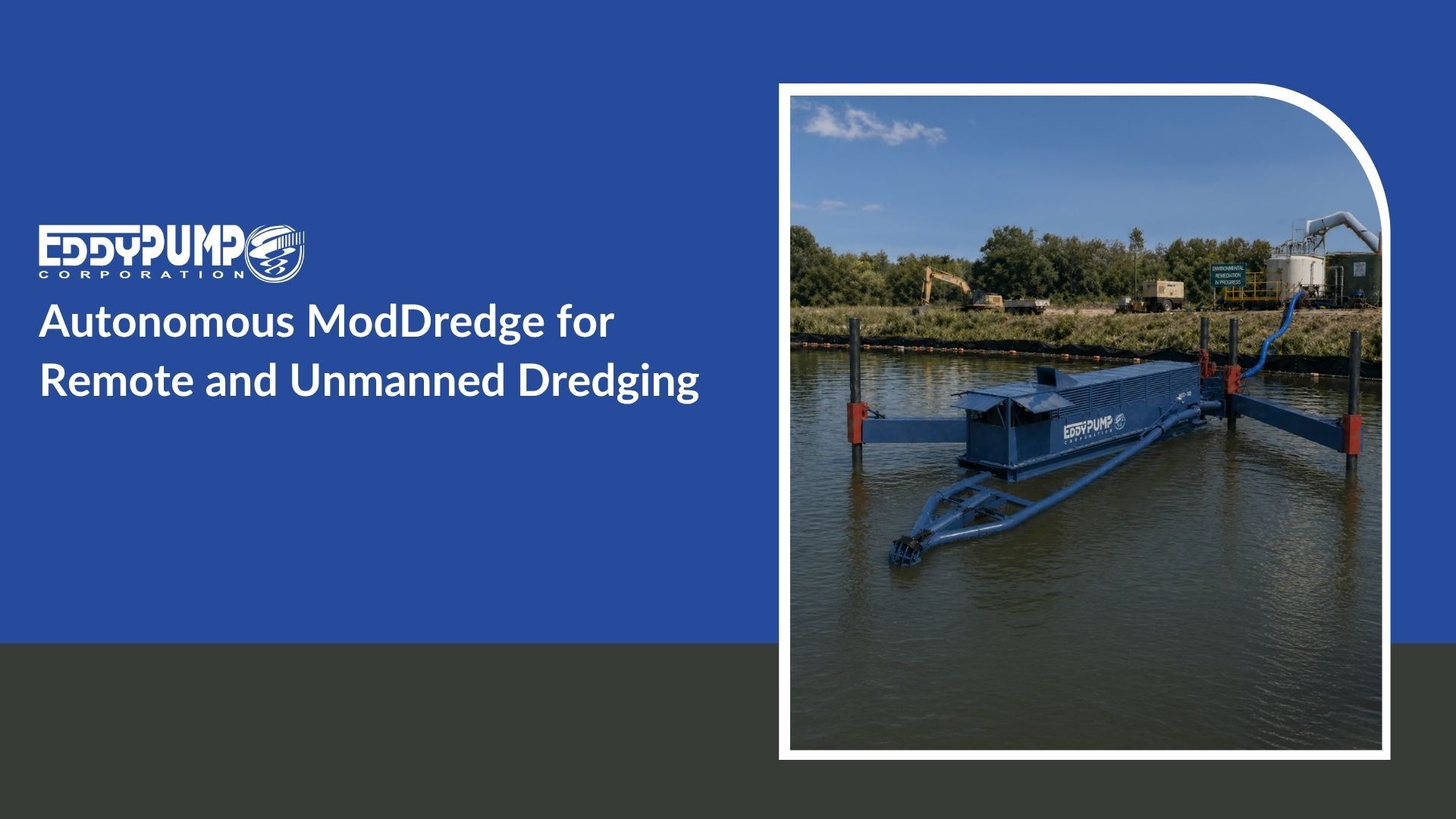
ModDredge |
Modular dredge package for higher production, faster deployment, remote operation, and 4-inch through 16-inch system sizing. |
|
Low-turbidity or precision removal matters |
Environmental Dredge |
Designed for controlled excavation and monitoring where sediment disturbance and accuracy matter. |
|
Long discharge distance, elevation, or high-friction pipeline |
Booster Pump Support |
Adds head and helps maintain slurry velocity so material keeps moving through the pipeline. |
Helpful links: Excavator Pump Attachment | Cable-Deployed Dredge Pump | Dredge Sled | ModDredge | Environmental Dredge | Skid-Mounted Booster Pumps
A Better Plan: Reduce the Dredging Footprint Before Work Starts
The projects that cause the least disruption are usually the projects that are planned around the operation first, not just the sediment volume. Before choosing equipment, define what the site cannot afford to interrupt.
1. Identify the operational risk
Which canal sections protect pits, roads, pumps, process water, tailings flow, or stormwater capacity? Which ones can be isolated, and which ones must remain partially in service?
2. Survey the canal and sediment
Use bathymetry, probing, drone imagery, or visual inspections to understand deposit depth, length, and locations where sediment is restricting flow.
3. Characterize the material
Confirm whether the sediment is silt, sand, tailings, sludge, gravel, scale, clay, organics, or mixed debris. Particle size, specific gravity, abrasiveness, and consolidation affect pump selection.
4. Choose the removal method by section
Some areas may need mechanical excavation for oversized debris. Wet, abrasive, or long canal sections may be better suited to hydraulic slurry pump dredging.
5. Size the pump and pipeline
Pump size, horsepower, discharge pipe, bends, elevation, and distance all affect production. Long-distance pumping may need booster support.
6. Plan the discharge and dewatering area
Sediment must go somewhere. Confirm whether it will be sent to a settling pond, geotube, process circuit, containment area, tailings facility, or disposal location.
7. Phase the work
Dredge high-risk sections first, maintain bypass or partial flow where possible, and schedule work around production windows, rainfall risk, and permit requirements.
What Information Does EDDY Pump Need to Recommend a System?
|
Project Information |
Why It Matters |
|---|---|
|
Canal length, width, depth, and water level |
Defines equipment reach, positioning, dredging depth, and whether the canal can remain in service. |
|
Sediment depth and estimated volume |
Determines production target, schedule, pump size, and discharge requirements. |
|
Material type and particle size |
Controls solids passage, wear, agitator or cutterhead needs, and pipeline settling risk. |
|
Solids concentration and slurry density |
Affects horsepower, pump curve, flow velocity, and whether booster support is needed. |
|
Discharge distance and elevation change |
Determines total dynamic head, pipe size, friction losses, and booster placement. |
|
Power availability |
Helps determine diesel, electric, hydraulic, HPU-powered, or generator-supported configurations. |
|
Access constraints and operating window |
Determines whether to use excavator-mounted, cable-deployed, sled, modular, or environmental dredging equipment. |
|
Disposal or dewatering method |
Confirms whether the slurry goes to a settling pond, geotube, process plant, tailings area, or other approved location. |
How to Avoid Emergency Canal Dredging
The best dredging project is the one that happens before the canal becomes a crisis. A proactive program turns sediment removal into planned maintenance instead of emergency response.
- Survey sediment depths on a regular schedule and after major storm or production events.
- Track water levels, flow restrictions, and pump runtime to spot capacity loss early.
- Clean known collection points before they reduce the entire canal system.
- Use sediment traps where possible so material collects in areas designed for easy removal.
- Review discharge distance and booster needs before the canal reaches emergency conditions.
This is where the customer journey matters. A mine may begin by asking, “How do we clean this canal?” But the better question is, “How do we keep this canal from taking down production again?”
Conclusion: Restore Canal Capacity Without Creating a Bigger Shutdown
Mining canal dredging becomes disruptive when the method creates more operational strain than the sediment itself. Dewatering, excavation, truck traffic, access preparation, and disposal bottlenecks can turn maintenance into a production problem.
EDDY Pump helps mines look at the complete dredging system: sediment, access, pump selection, power, pipe distance, booster requirements, discharge location, and operating window. In some canals, the answer may be a cable-deployed pump. In others, it may be an excavator attachment, Dredge Sled, ModDredge, or environmental dredge. Many projects use more than one approach.
Send EDDY Pump your canal dimensions, sediment type, solids concentration, discharge distance, elevation change, power availability, and operating constraints. Talk to Applications Engineering to build a dredging plan that restores capacity while reducing downtime.
Frequently Asked Questions About Mining Canal Dredging and Downtime
Why does mining canal dredging disrupt operations?
Mining canal dredging disrupts operations when the canal must be drained, accessed by heavy equipment, excavated, refilled, and restarted. The disruption increases when the canal supports stormwater, pit drainage, process water, tailings flow, or other site-critical water movement.
Can mining canal dredging happen while the canal stays in service?
Often, yes, depending on canal geometry, water level, sediment type, and safety requirements. Hydraulic dredging systems can remove submerged sediment through a discharge line while water remains in the canal, allowing partial flow or phased cleaning in many applications.
What is the fastest way to reduce downtime during canal dredging?
The fastest path is to identify the highest-risk canal sections, use a removal method that fits access and water conditions, move sediment through a pipeline when possible, and size the pump, pipe, power, and booster support before mobilization.
When should a mine use hydraulic dredging instead of mechanical excavation?
Use hydraulic dredging when the canal must remain wet, access is limited, sediment is abrasive or fluid, or material must be transferred through a pipeline. Mechanical excavation may still be useful for dry sections, coarse debris, or localized deposits that are easy to reach.
Which EDDY Pump system is best for hard-to-reach canals?
Cable-deployed dredge pumps are often a strong starting point for deep, remote, or hard-to-access canals because they can be lowered from a crane, excavator, barge, or A-frame. Final selection depends on depth, sediment, discharge distance, and power availability.
When should a mine consider ModDredge?
Consider ModDredge when the project needs a dedicated dredge platform, higher production, modular transport, remote operation, or a larger 4-inch through 16-inch dredging system for ongoing sediment management.
Do booster pumps help reduce dredging downtime?
Yes, when discharge distance, elevation, pipe friction, or slurry density exceeds what one pump can handle. Booster pumps help maintain slurry velocity and pressure so material keeps moving through the pipeline instead of settling and causing delays.
What happens to the sediment after dredging?
Sediment is usually pumped to a settling pond, geotextile dewatering container, process circuit, containment area, tailings facility, or permitted disposal location. The discharge method should be planned before dredging starts.
How often should mining canals be dredged?
There is no single schedule for every mine. Frequency depends on sediment load, canal capacity, rainfall, upstream disturbance, production changes, and acceptable operating margin. Many sites benefit from routine sediment surveys and targeted removal before full canal capacity is lost.
What information should I send EDDY Pump for a recommendation?
Send canal dimensions, sediment depth, material type, particle size, solids concentration, slurry density, discharge distance, elevation change, power availability, site access, and where the slurry needs to go after removal.