
If you've spent time managing mine process ponds, you already know the frustration. Sediment accumulates faster than expected. Water capacity shrinks. Throughput drops. And suddenly, you're scrambling to restore functionality before production targets slip further.
EDDY Pump works with mining operations facing exactly these challenges, and sediment accumulation in process ponds ranks among the most common—and costly—operational headaches we encounter. This article breaks down why sediment builds up, how it disrupts your operation, and what to do about it.

Key Takeaways: What Sediment Buildup Does to Mine Process Ponds
- Sediment accumulation in mine process ponds directly reduces water storage capacity and limits available water for critical operations.
- Buildup forces unplanned maintenance shutdowns that disrupt production schedules and increase operational costs.
- High sediment levels compromise water recovery rates, requiring more freshwater intake to maintain processing volumes.
- EDDY Pump's dredging and slurry pumping equipment helps mining operations remove sediment without halting pond operations.
- Proactive pond maintenance prevents emergency desilting and protects against costly environmental compliance issues.
Why Does Sediment Accumulate in Mine Process Ponds?
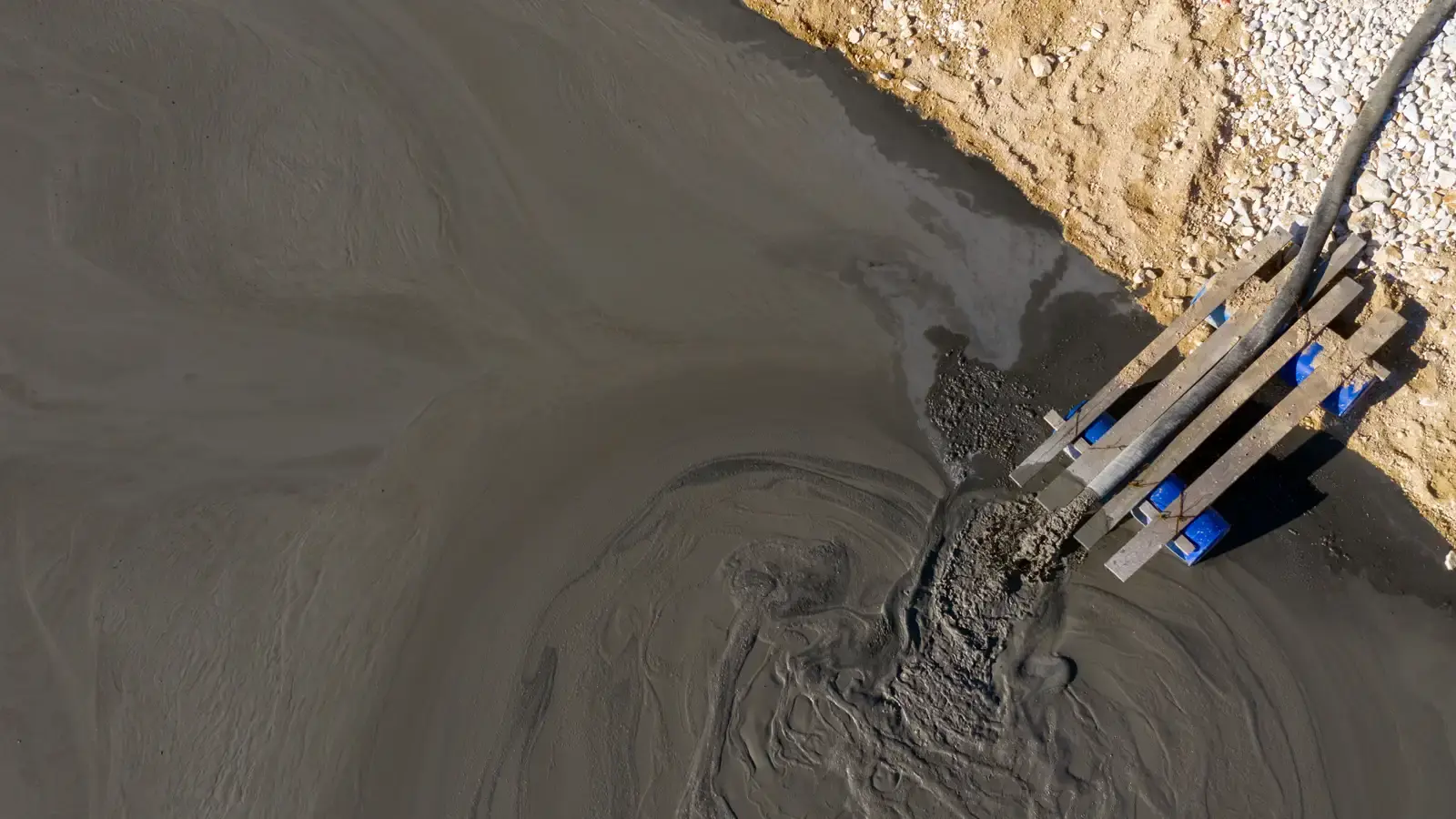
Sediment enters process ponds through multiple pathways. The primary source is fine particles carried in process water returning from washing, screening, and separation operations. Rainfall runoff also contributes, carrying surface debris and fine materials into the pond system.
Thickener failures accelerate the problem significantly. When thickening equipment underperforms, higher concentrations of fines pass through to process ponds. Wind-blown dust and material from V-drains add to the accumulation over time.
According to Mining Review Africa, some mining operations discover their ponds contain up to 90% slurry, reeds, and debris—leaving minimal capacity for actual water storage.
How Does Sediment Buildup Affect Throughput?
Reduced pond capacity directly limits water availability for processing operations. When your pond holds more sediment than water, you cannot maintain the supply volumes required for mineral washing, dust suppression, or equipment cooling.
This shortage forces operations into a difficult position. Either reduce processing rates to match available water, or invest in emergency desilting under time pressure. Both options cost money and disrupt production schedules.
Operations running at full capacity generate more fines, creating a feedback loop. Higher production means more sediment entering ponds, which means faster capacity loss, which eventually forces reduced throughput anyway.
What Impact Does Sediment Have on Uptime?
Unplanned desilting projects represent the most obvious uptime impact. When sediment levels reach critical thresholds, operations face difficult choices about whether to shut down ponds for removal or risk environmental spillage.
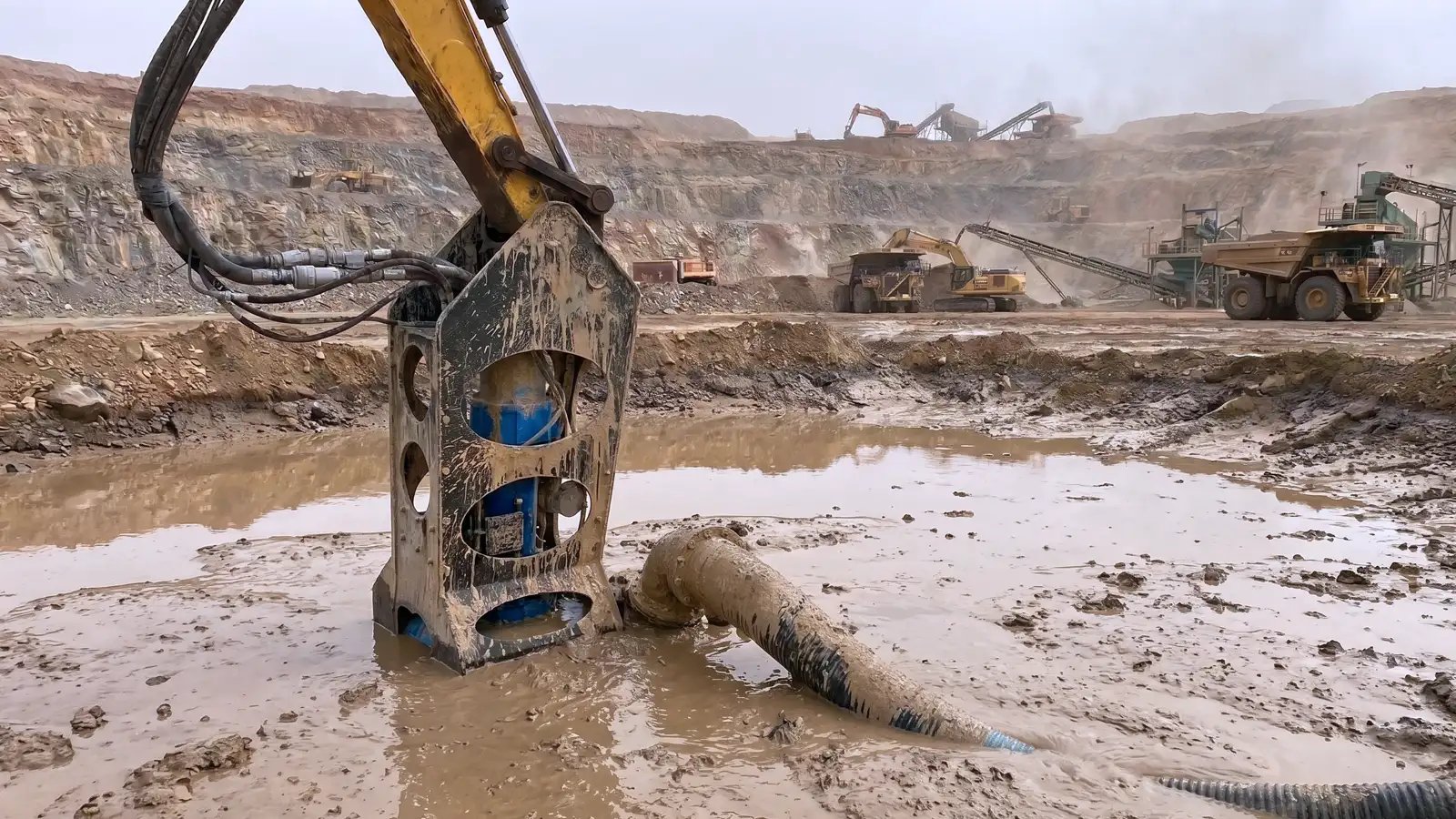
Some dredging methods require complete pond shutdown during sediment removal. This compounds downtime by forcing operations to halt both the pond and any dependent processing equipment.
EDDY Pump's dredge equipment is designed for operation without pond shutdown. The ability to remove sediment while maintaining water flow eliminates this particular source of unplanned downtime.
Secondary Equipment Impacts
High sediment loads also affect pumping equipment throughout the water system. Pumps moving water from silted ponds experience accelerated wear. Seals fail faster. Maintenance intervals shorten. Each of these factors contributes to additional downtime beyond the pond itself.
How Does Sediment Affect Water Recovery in Mining Operations?
Water recovery becomes increasingly important as mining operations face stricter limits on freshwater intake. Process ponds serve a critical function in the water recovery cycle—they allow solids to settle so water can return to the processing plant.
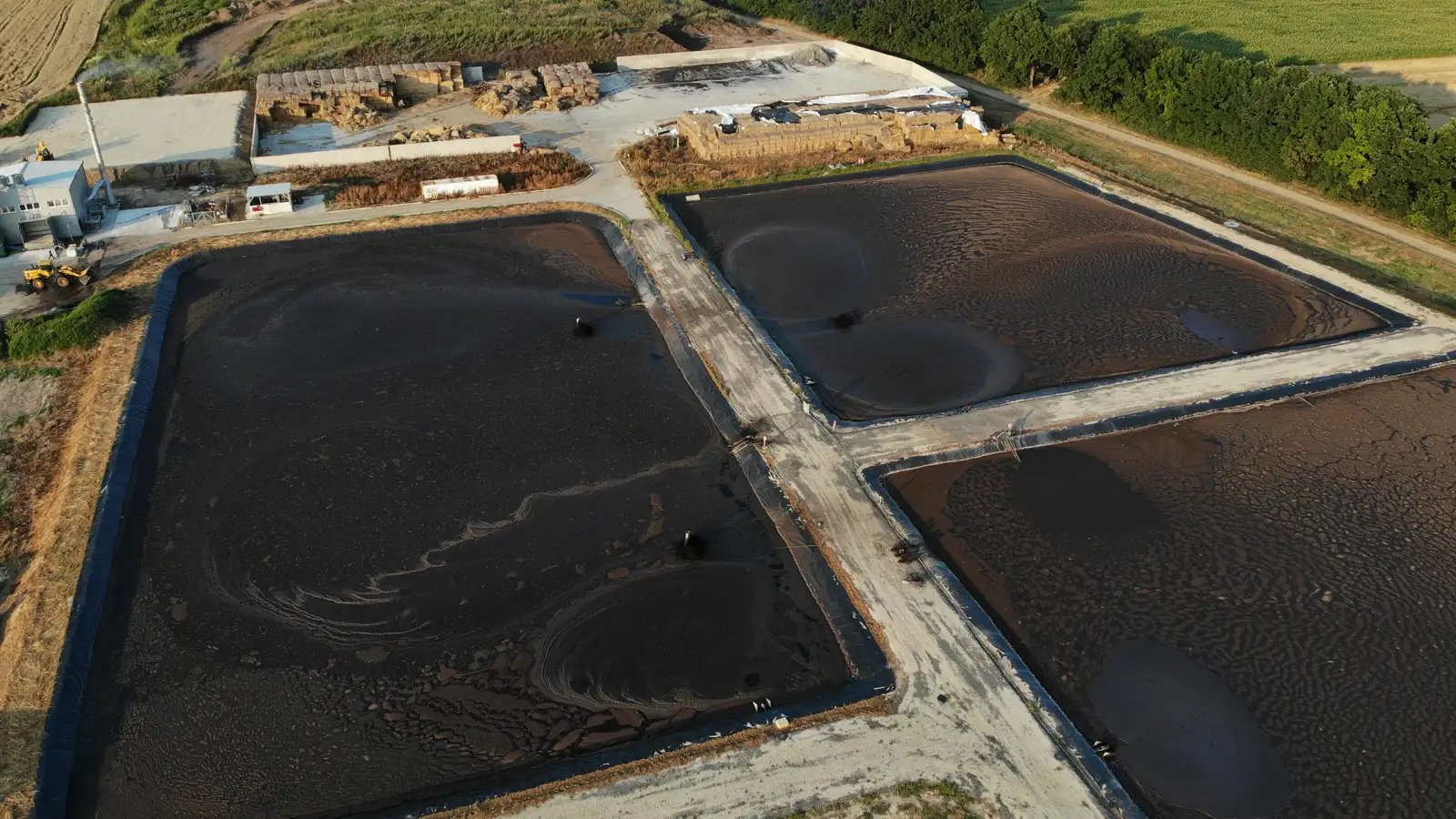
When sediment fills a significant portion of pond volume, residence time decreases. Water moves through faster, carrying more suspended solids back to the plant. This either degrades process quality or forces additional treatment steps.
Reduced pond capacity also limits the total volume of water available for recirculation. Operations must compensate with increased freshwater intake, raising both costs and regulatory scrutiny.
What Types of Sediment Accumulate in Mine Process Ponds?
The composition of sediment varies by operation and ore type. Common materials include:
- Fine mineral particles from crushing and screening operations
- Clay and silt from ore washing processes
- Organic material including vegetation and biological growth
- Chemical precipitates from water treatment processes
- Sand and gravel from stormwater runoff
Some sediments contain recoverable mineral content. In these cases, dredging operations can offset removal costs by recovering valuable fines that would otherwise remain trapped in the pond bottom.
When Should You Schedule Sediment Removal?
The ideal approach removes sediment before accumulation reaches critical levels. Industry experience suggests addressing buildup when ponds reach approximately 40% sediment capacity rather than waiting until operational problems force emergency action.
Seasonal timing matters as well. Desilting during dry periods prepares ponds for maximum capacity ahead of rainy seasons when stormwater runoff adds significant volume demands.
Regular monitoring helps establish removal schedules based on actual accumulation rates. Operations that track sediment levels can predict maintenance needs and budget accordingly rather than responding to emergencies.
What Equipment Works for Mine Pond Sediment Removal?
Effective sediment removal requires equipment capable of handling high-solids slurries. The material at the bottom of process ponds differs significantly from clean water—it's thick, abrasive, and often contains debris that clogs pumps designed for lighter applications.
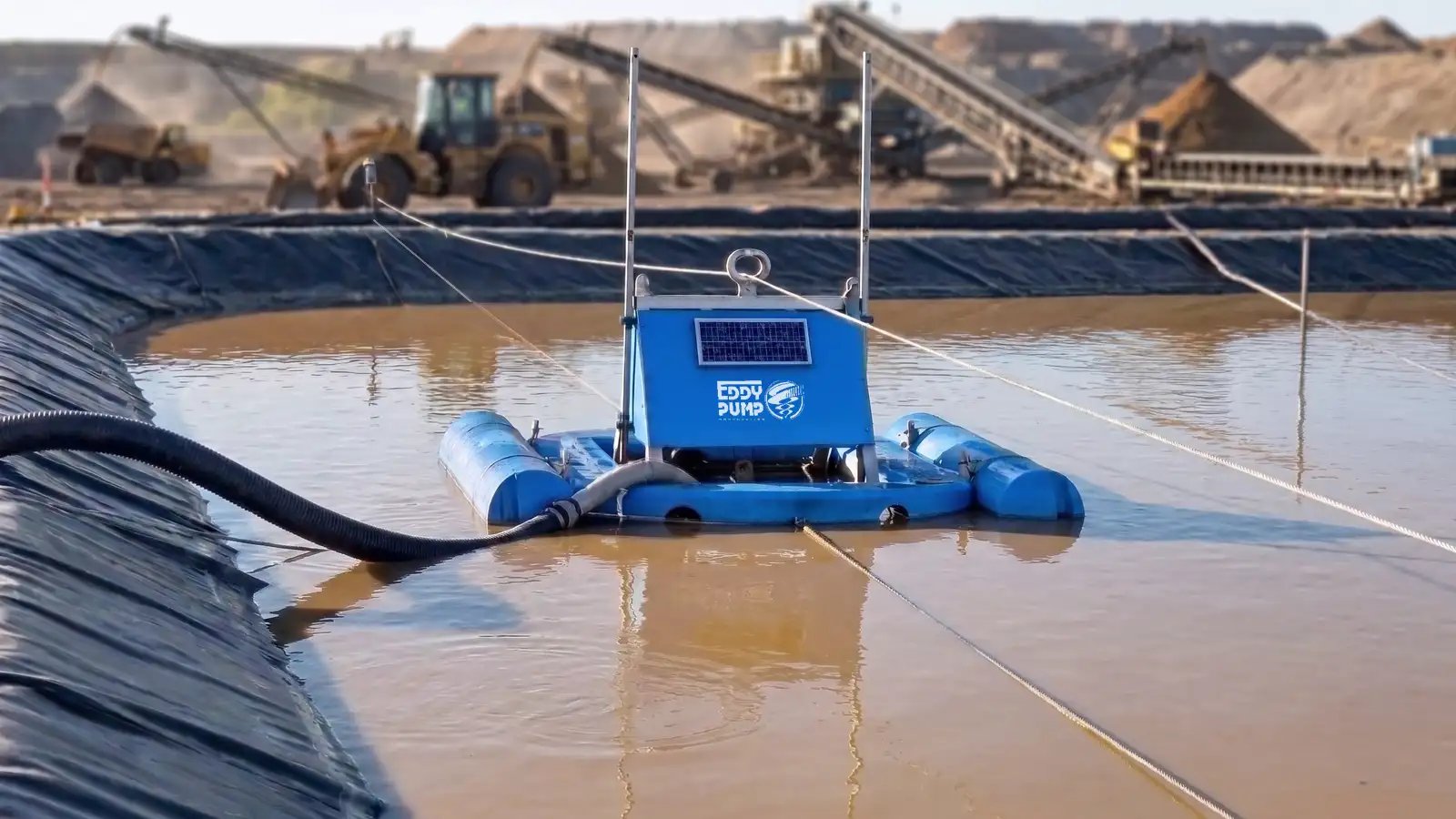
EDDY Pump's slurry pumps and dredge equipment handle solids up to 70% by volume and can pass debris up to 11 inches in diameter. This capability matters when pond sediment includes rocks, vegetation, and other materials that would stop pumps designed for cleaner applications.
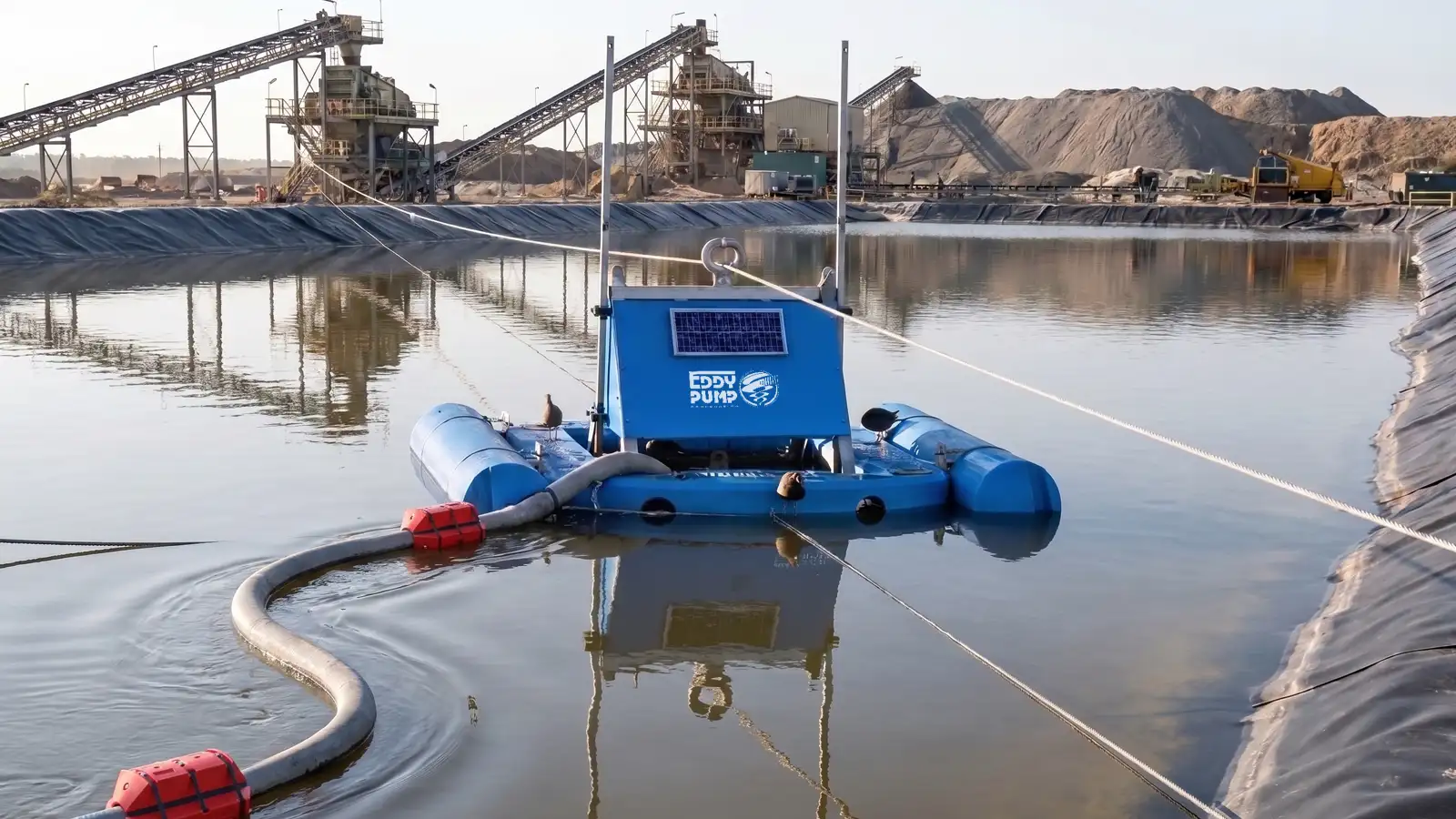
Deployment flexibility also affects project success. Submersible configurations place the pump directly in the material being removed. Self-priming trailer-mounted units work from pond edges. The right configuration depends on pond access, sediment characteristics, and operational constraints.
How Can Mining Operations Prevent Excessive Sediment Buildup?
Prevention starts upstream of the pond. Maintaining thickener performance keeps fine particle concentrations lower in water reaching process ponds. Regular inspection and adjustment of thickening equipment pays dividends in reduced pond maintenance.
Stormwater management also helps. Diverting clean runoff away from process ponds prevents unnecessary sediment loading from non-process sources. This preserves pond capacity for its primary function.
Some operations use staged pond systems where primary settling occurs in smaller basins before water reaches main storage. This concentrates sediment removal in more accessible locations and protects larger pond capacity.
In Conclusion: Sediment Buildup Demands Proactive Pond Management
Sediment accumulation in mine process ponds creates a cascade of operational problems. Reduced water capacity limits throughput. Unplanned desilting disrupts production schedules. Compromised water recovery increases freshwater demands and regulatory exposure.
The pattern is predictable, and so is the solution. Regular monitoring identifies accumulation trends before they reach critical levels. Scheduled maintenance removes sediment on your timeline rather than in emergency response. Equipment designed for high-solids applications completes removal efficiently without extended shutdowns.
If you're managing process ponds with sediment buildup affecting throughput, uptime, or water recovery, talk to EDDY Pump's engineering team about your application. Call 619-404-1916 or visit eddypump.com to discuss dredging and slurry pumping solutions for your operation.
FAQs About What Sediment Buildup Does to Mine Process Ponds
What causes sediment to build up in mine process ponds?
Sediment enters ponds through process water carrying fine particles, thickener overflow when equipment underperforms, stormwater runoff from surrounding areas, and wind-blown dust. EDDY Pump sees operations where these combined sources fill ponds faster than anticipated, reducing effective water storage capacity.
How does sediment affect water recovery in mining?
When sediment occupies pond volume, water residence time decreases and suspended solids carry through to downstream processes. This reduces the percentage of water you can recover and recirculate, forcing increased freshwater intake. EDDY Pump's dredging equipment restores pond capacity to maintain efficient water recovery cycles.
Can you remove sediment without shutting down the process pond?
Yes. EDDY Pump designs its dredge equipment for operation while ponds remain active. Remotely operated submersible units and excavator-mounted configurations remove sediment without draining ponds or halting water flow to processing operations.
How often should mine process ponds be desilted?
Frequency depends on sediment accumulation rates, which vary by operation. Industry guidance suggests addressing buildup when ponds reach 40% sediment capacity. Regular monitoring tracks accumulation so you can schedule removal proactively rather than responding to capacity emergencies.
What makes mine pond sediment difficult to pump?
Mine pond sediment contains high solids concentrations, abrasive particles, and often rocks or debris that clog pumps designed for cleaner water applications. EDDY Pump's non-clog design handles up to 70% solids by volume and passes debris up to 11 inches, making it purpose-built for these demanding materials.