What Is a Floating Dredge System for Mine Process Ponds?
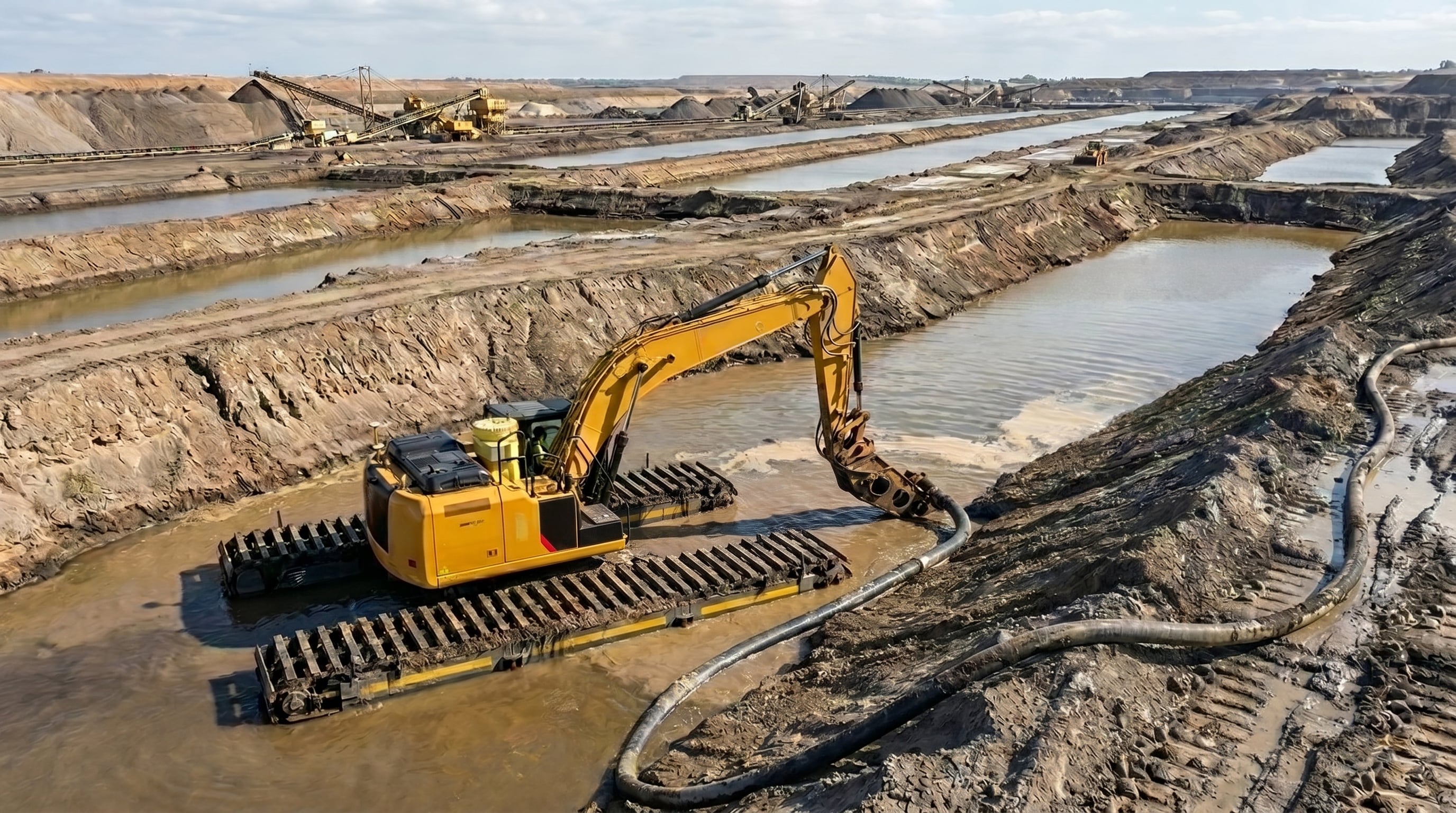
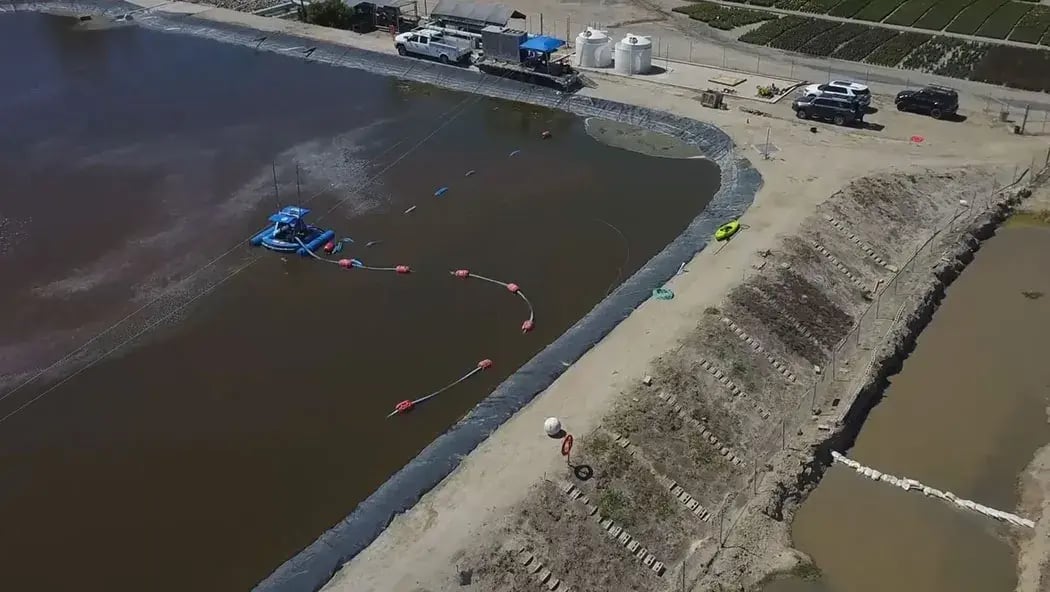
A floating dredge system is a portable, water-based equipment platform equipped with a heavy-duty slurry pump designed to remove accumulated tailings and sediment from mining process water bodies without draining them. Operating directly on the water's surface, it pumps high-solids material through discharge lines to designated disposal areas, keeping critical mining operations running continuously.
Bringing in heavy equipment that disrupts everything around it is no longer the only option. Floating dredge systems offer a different approach. EDDY Pump designs equipment that removes sediment from tailings ponds and processes water systems while your operations keep running. This guide walks you through everything you need to know about floating dredge systems for mining applications, from understanding why traditional methods fall short to planning your own sediment removal project.

By the end, you'll understand how to evaluate equipment options, manage canal sediment buildup, and reduce the downtime that comes with large-scale sediment removal projects.
Key Takeaways: Floating Dredge Systems for Mine Process Ponds in 2026
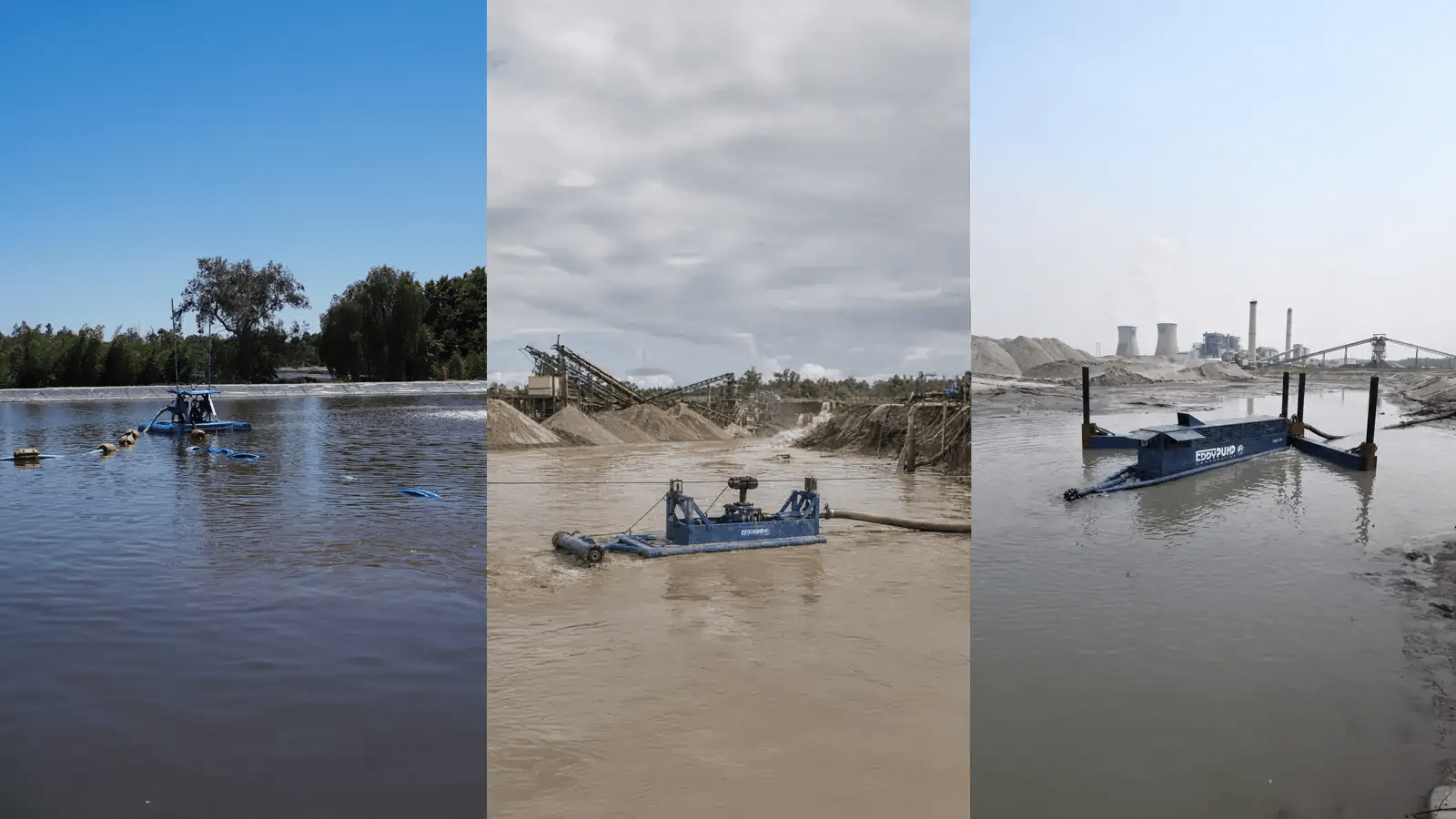
- Floating dredge systems allow you to remove sediment from mine ponds without halting production or draining water bodies completely.
- Traditional dredging methods often require significant operational disruption, including heavy equipment mobilization and extended site shutdowns.
- EDDY Pump's Dredge Sled and Excavator Pump Attachment handle high-solids slurries up to 70% solids by volume without clogging.
- Proper planning for canal sediment buildup includes assessing material characteristics, discharge distances, and regulatory requirements beforehand.
- Modern floating dredge systems reduce downtime by operating while ponds remain active, protecting your production schedules and water management cycles.
What Are Floating Dredge Systems and How Do They Work?
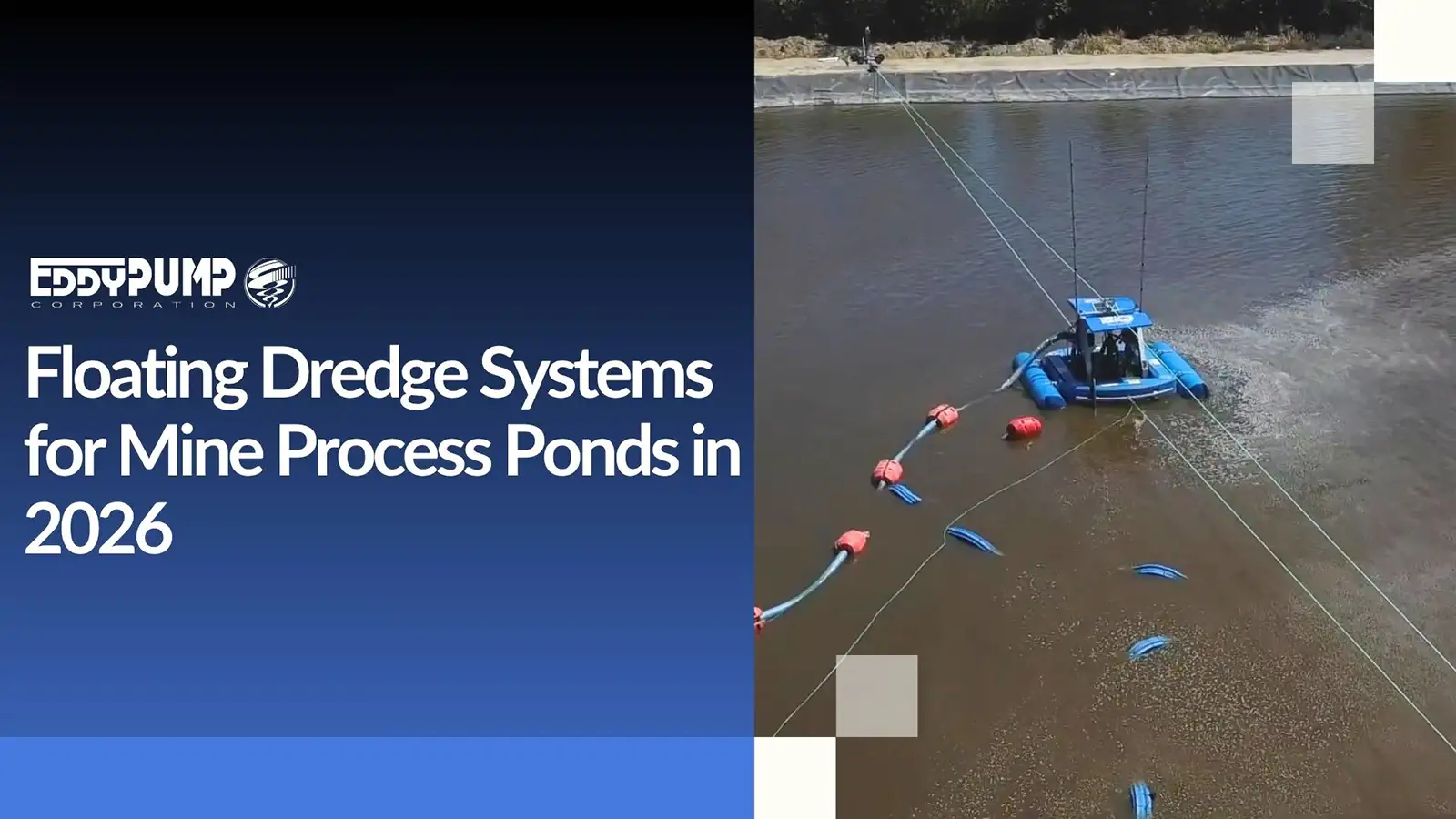
Floating dredge systems are portable, water-based equipment platforms designed to remove sediment from ponds, lagoons, and process water bodies. Unlike land-based excavation, these systems operate directly on the water surface and pump material through discharge lines to designated disposal areas.
The basic configuration includes a floating platform (pontoons or a barge), a submersible or mounted pump, and a sediment agitation system such as a cutterhead or jetting ring. The pump creates suction that draws loosened sediment into the intake, mixes it with water to form a slurry, and transports it through pipelines.
For mine process ponds specifically, floating systems work in environments with abrasive materials like sand, heavy metals, and mineral fines. The pump technology matters here, equipment must handle high specific gravity materials without wearing out quickly or clogging mid-operation. Systems like EDDY Pump’s Mini Auger ModDredge are compact and engineered for high-solids production in confined environments, such as tailings ponds.
How Floating Dredges Differ from Mechanical Dredging
Mechanical dredging relies on excavators, draglines, or backhoes positioned on shore or barges. These machines physically scoop sediment and deposit it into trucks or barges for transport. While effective for large volumes, mechanical dredging typically requires draining the pond or working in very shallow water.
Floating hydraulic dredges, on the other hand, pump material as slurry through pipelines. This approach works in deeper water, handles finer particles more effectively, and often requires fewer personnel on site. For mining operations where downtime costs money every hour, the ability to dredge while ponds remain partially operational is a significant advantage.
Why Mine Process Ponds Require Regular Sediment Removal
Mine process ponds accumulate sediment faster than natural water bodies. Your operations send water containing fine particles, heavy metals, and process chemicals into these containment areas every day. Over time, this material settles and reduces the pond's working capacity.
A pond designed to hold a specific volume of process water becomes less effective as sediment layers grow. You might notice that your water recycling rates drop, that overflow events become more frequent during heavy rainfall, or that water quality monitoring shows elevated turbidity levels.
How Sediment Buildup Affects Your Operations
Reduced pond capacity forces you to make difficult choices. You might need to slow production to reduce wastewater generation, or you might need to fast-track expensive pond expansions. Neither option is ideal when you're trying to maintain throughput and control costs.
Sediment also creates compliance risks. Regulatory agencies monitor tailings management closely, and ponds that approach capacity limits draw scrutiny. Proactive dredging helps you stay ahead of these concerns rather than reacting to enforcement actions.
Additionally, settled material often contains valuable minerals that passed through your processing circuits. Regular dredging recovers this material for reprocessing, turning a maintenance expense into a potential revenue stream.
Understanding Traditional Dredging Limitations for Mining Applications
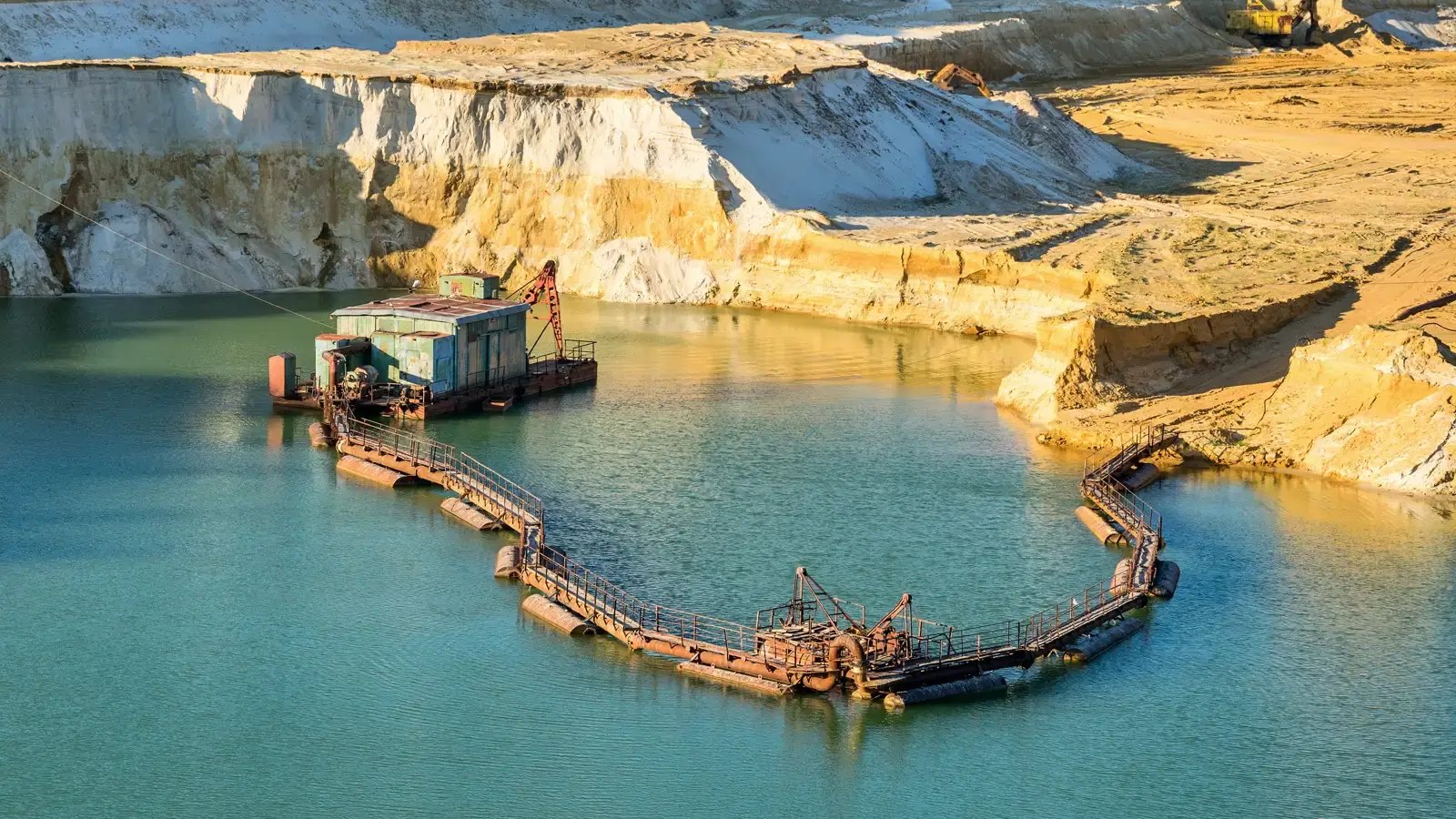
Traditional dredging methods weren't designed with active mining operations in mind. Many approaches require draining ponds completely, mobilizing heavy equipment, and dedicating significant crew time to manage the project. These requirements conflict with the operational demands of a working mine.
Operational Disruption and Downtime Costs
When you drain a pond for conventional dredging, you interrupt your water recycling system. Process water that normally flows through your circuit now needs alternative handling. Depending on your operation's water balance, this might mean reducing production rates or finding temporary storage solutions.
Heavy equipment mobilization adds another layer of complexity. Large excavators and dump trucks need access roads, staging areas, and often specialized permits. The time required to set up and tear down this equipment extends your project timeline beyond the actual dredging work.
Challenges with Abrasive Mining Slurries
Mining sediments differ from the materials found in typical municipal or environmental dredging projects. Your process ponds contain abrasive particles that wear through standard pump components quickly. Standard dredging equipment designed for sand or silt may not handle the specific gravity and abrasiveness of mine tailings.
This mismatch leads to frequent pump failures, unplanned maintenance stops, and extended project durations. You end up paying for equipment repairs while your sediment removal project falls behind schedule.
How Floating Dredge Systems Reduce Disruption to Mining Operations
Floating dredge systems address the operational challenges that make traditional dredging difficult for mining sites. By working on the water surface and pumping material through pipelines, these systems eliminate many of the setup and access requirements that cause delays. Equipment like Autonomous ModDredge incorporates EDDY Pumps technology and has remote-operation capabilities. This reduces mobilization costs and delivers full-scale dredging performance in a mobile form factor with fewer personnel.
.webp?width=1600&height=900&name=How%20Floating%20Dredge%20Systems%20Reduce%20Disruption%20to%20Mining%20Operations%20(2).webp)
Keeping Ponds Operational During Dredging
Modern floating dredge equipment lets you continue using your process ponds while sediment removal is underway. The dredge works in one section of the pond while water continues flowing through other areas. This approach maintains your water recycling capacity and protects your production schedule.
For operations with tight water balances or seasonal constraints, this flexibility is essential. You're not choosing between dredging and production, you're doing both simultaneously.
Reduced Equipment Footprint and Crew Requirements
A floating dredge system typically requires a smaller crew than mechanical dredging operations. Equipment like the EDDY Pump Dredge Sled can be operated by one or two people, with setup taking hours rather than days.
The compact footprint also matters for sites with limited access or environmental restrictions. You're not cutting new roads or creating large staging areas. The equipment arrives in standard containers and deploys directly into the pond.
What to Look for in Floating Dredge Equipment for Mine Ponds
Not all floating dredge systems perform equally in mining environments. The specific characteristics of your sediment, particle size, abrasiveness, specific gravity, and chemical composition, determine which equipment will work reliably at your site.
Pump Technology and Solids Handling Capacity
The pump is the heart of any dredging system. For mine process ponds, you need equipment rated for high solids concentrations and abrasive materials. Standard centrifugal pumps clog frequently when handling material with significant solids content.
|
EDDY Pump Solution |
Best Fit / Primary Condition |
Key Capabilities |
|
Dredge Sled |
Shallow ponds and liner-sensitive applications. |
Glides along pond bottoms; simple cable/winch operation. |
|
Mini Auger ModDredge |
Compacted sediment in confined or tight process ponds. |
High-solids production in highly restricted spaces. |
|
Autonomous ModDredge |
Remote, semi-autonomous, or hazardous environment operations. |
Full-scale performance with minimal crew and high tracking accuracy. |
|
Excavator Pump Attachment |
Deeper reach, versatile positioning, or leveraging existing fleet assets. |
Mounts directly to an excavator boom; reaches deep or hard-to-access banks. |
EDDY Pump designs non-clog pumps that handle 40-70% solids by volume and pass objects up to several inches in diameter. This capability matters when your sediment contains rocks, debris, or compacted material that would stop conventional equipment.
High-chrome construction and open rotor designs extend pump life in abrasive conditions. You'll see longer intervals between maintenance and more consistent production rates throughout your project.
Agitation Systems: Cutterheads vs. Water Jetting
Settled sediment in mine ponds often compacts over time, forming dense layers that resist simple suction. Agitation systems loosen this material so the pump can move it efficiently.
Cutterheads work well for compact sediment and harder materials. The rotating blades break up the surface layer and direct loosened material toward the pump intake. Water jetting systems use high-pressure water to fluidize sediment, which works better for very fine materials or situations where you need minimal disturbance to pond liners.
Remote Operation and Positioning Systems
Modern dredge equipment includes GPS positioning and remote control capabilities that improve both accuracy and safety. You can track exactly where you've dredged, avoid over-dredging in sensitive areas, and operate equipment from a safe distance.
For tailings ponds with safety restrictions, remote operation lets you complete work without putting personnel near unstable sediment or deep water. The dredge moves through a programmed pattern while operators monitor progress from shore.
The Dredge Sled: A Floating Solution for Shallow Mine Ponds
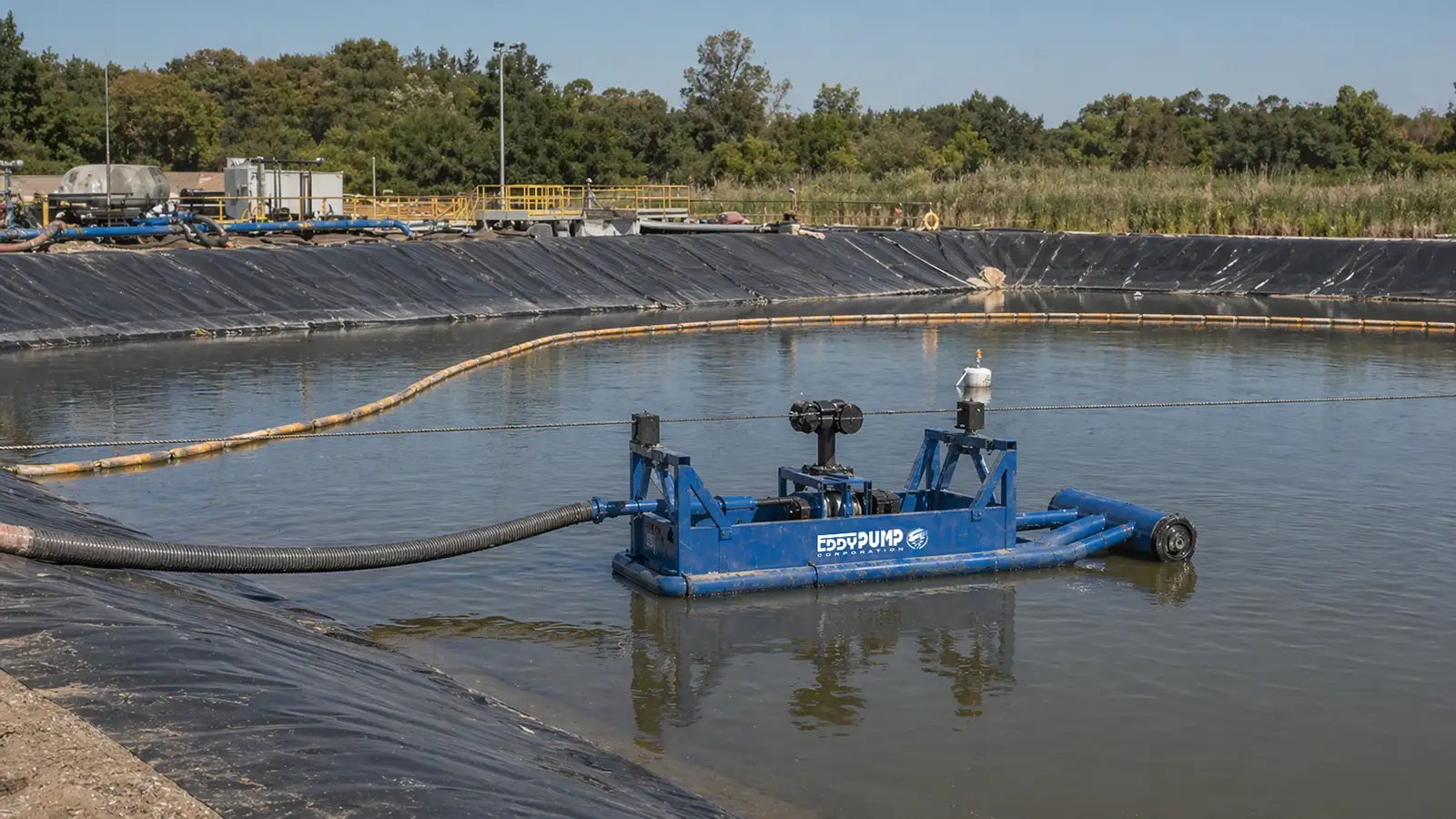
EDDY Pump's patented Dredge Sled addresses the specific challenges of shallow pond dredging in mining environments. This floating platform glides along the pond bottom, pumping highly viscous and abrasive materials without the complexity of larger dredging systems.
How the Dredge Sled Works
The Dredge Sled consists of a floating platform mounted with a submersible EDDY Pump. A cable and winch system pulls the sled across the pond bottom in controlled passes. As it moves, the pump draws sediment through the intake and pushes it through discharge hoses to your designated deposition area.
This design works particularly well for containment ponds, settling tanks, and tailings storage facilities. The gentle sliding motion protects pond liners while still achieving effective sediment removal. You're not scraping or cutting into protective barriers, the pump does the work through suction.
Applications in Mining Operations
The Dredge Sled handles mine tailing transfer, containment pond maintenance, and heavy metal recovery operations. For mineral tailing ponds that generate solid and liquid waste including heavy metals and process chemicals, regular removal prevents capacity loss and environmental hazards.
The equipment fits in a standard shipping container, making deployment to remote mining sites straightforward. Setup typically takes a few hours with a small crew, and the system can operate with minimal supervision once running.
Excavator Pump Attachments for Versatile Mine Dredging
When your sediment removal project requires more flexibility or deeper reach, excavator pump attachments offer an alternative approach. These systems mount directly to your existing excavator and turn it into a powerful dredging machine.
Converting Your Equipment for Dredging
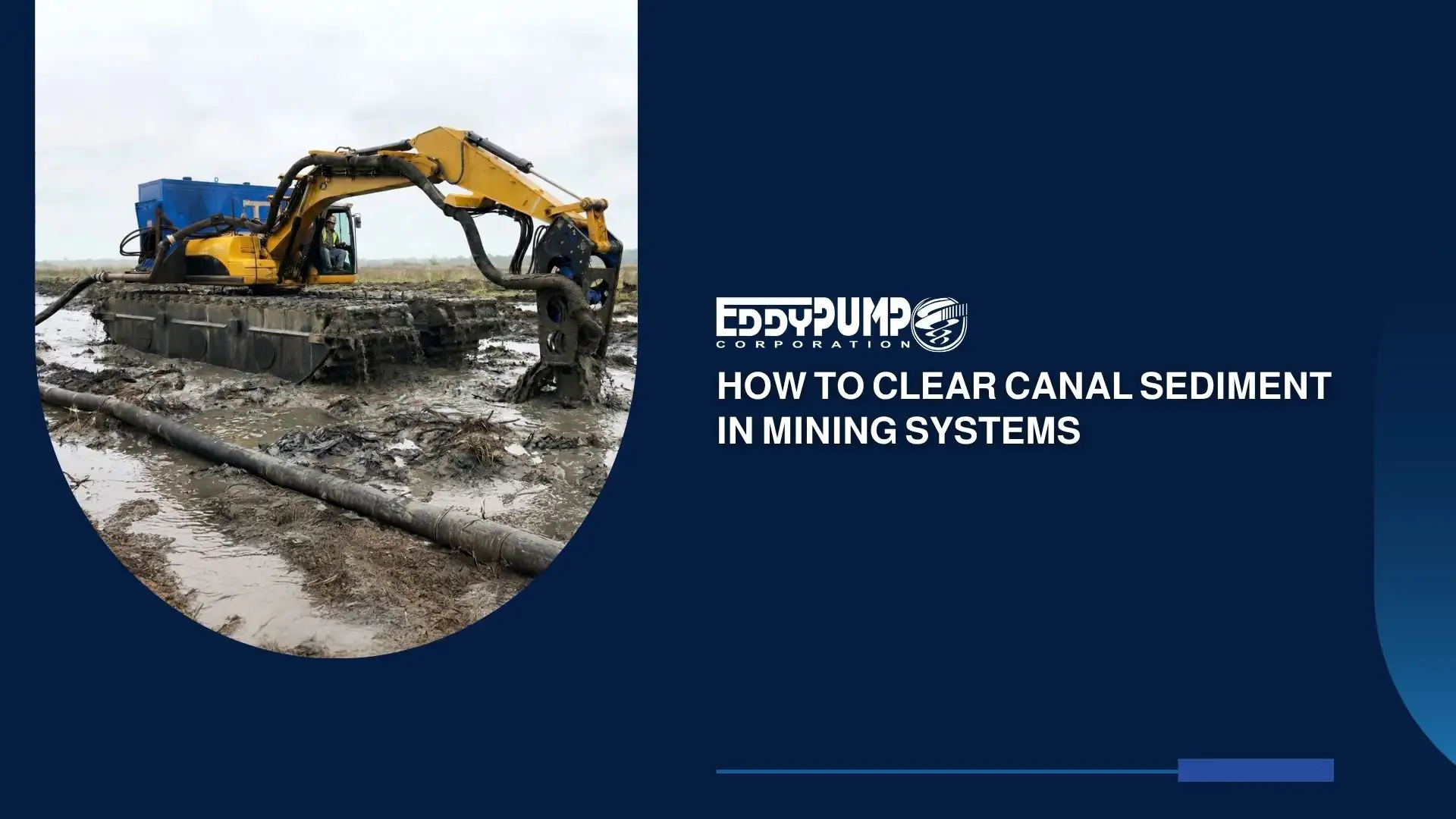
The EDDY Pump Excavator Attachment pins into your excavator's bucket linkage and runs off the machine's auxiliary hydraulics. This means you're using equipment you already own rather than purchasing or renting dedicated dredging systems.
The pump and attachment are designed and built together, ensuring compatibility that third-party combinations can't match. You get a cutterhead for breaking up compact material or a water jetting ring for situations requiring less aggressive agitation.
Reaching Deeper and Harder-to-Access Areas
Excavator-mounted systems reach depths that floating sleds cannot access easily. With boom extensions available, you can dredge up to 85 feet deep while maintaining precise control over pump positioning.
This capability matters for mining operations with deeper tailings impoundments or irregular pond geometries. You're not limited to shallow areas, the excavator provides the reach while the pump handles the material transport.
Managing Canal Sediment Buildup at Mining Sites
Beyond your process ponds, mining operations often include water conveyance channels, ditches, and canals that collect sediment over time. This buildup restricts flow, reduces drainage capacity, and can create flooding risks during storm events.
Identifying Problem Areas in Your Water System
Regular inspections of your water conveyance infrastructure reveal where sediment accumulates fastest. Low-velocity sections, bends, and areas where channel geometry changes tend to collect material that settles out of flowing water.
Monitoring flow rates through your channels helps you detect capacity losses before they cause problems. A gradual decline in flow capacity often indicates sediment buildup that's ready for removal.
Targeted Dredging for Canal Maintenance
Canal dredging differs from pond work in that you're dealing with flowing water and often limited access. Floating or excavator-mounted systems let you work from the water surface or adjacent banks without blocking the entire channel.
For mining sites where water conveyance is critical to operations, the ability to dredge channels without full diversions protects your process water supply and reduces project complexity.
Planning Your Mine Pond Dredging Project
Successful dredging projects start with thorough planning. Understanding your sediment characteristics, regulatory requirements, and operational constraints before equipment arrives saves time and prevents surprises mid-project.
Assessing Sediment Volume and Characteristics
Before selecting equipment or requesting quotes, you need accurate information about what you're dredging. Core samples from multiple locations in your pond reveal sediment depth, composition, and compaction levels.
Laboratory analysis of samples tells you about particle size distribution, specific gravity, and any chemical characteristics that affect material handling. This information guides equipment selection and helps you estimate production rates accurately.
Evaluating Discharge Options and Distances
Dredged material needs somewhere to go. Your disposal options include dewatering and landfill disposal, land application if the material is suitable, or reprocessing to recover valuable minerals.
Discharge distance affects equipment specifications, longer pipelines require more powerful pumps or booster stations. Understanding your site layout and disposal area locations helps you configure the right system for efficient material transport.
Regulatory and Permitting Considerations
Dredging in mine ponds typically requires permits from environmental agencies. Requirements vary by jurisdiction but often include sediment characterization, disposal plans, and water quality monitoring during operations.
Starting the permitting process early prevents delays once you're ready to begin work. Many operations include dredging in their existing water management permits, simplifying the approval process.
Step-by-Step Process for Deploying a Floating Dredge System
Once planning is complete, deployment follows a structured sequence. Understanding each phase helps you prepare your site and coordinate with dredging contractors or your own equipment teams.
Step 1: Site Preparation and Access
Prepare access routes for equipment delivery and ensure shore areas can support setup activities. Identify anchor points for cable systems and staging areas for discharge hose assembly.
Clear vegetation or debris from the immediate work area. Mark any underwater obstructions or known hazards that operators need to avoid during dredging operations.
Step 2: Equipment Assembly and Launch
Floating dredge systems arrive disassembled and come together at the work site. Pontoons connect to pump platforms, hoses link to shore-based discharge points, and control systems undergo testing before the unit enters the water.
For systems like the Dredge Sled, assembly typically requires a few hours with appropriate rigging equipment. The unit launches from a suitable shore access point and moves under its own power to the starting position.
Step 3: Dredging Operations and Monitoring
Active dredging follows a systematic pattern across the pond area. GPS positioning tracks coverage and prevents missed sections. Operators monitor pump performance, discharge rates, and slurry characteristics throughout the project.
Regular depth measurements confirm that you're achieving target removal rates. Adjustments to traverse speed, pump settings, or agitation intensity optimize production as you learn how your specific sediment responds to the equipment.
Step 4: Completion and Demobilization
After final passes confirm target depths are achieved, equipment undergoes cleaning and preparation for removal. Discharge lines drain and disconnect. The dredge unit returns to shore for disassembly and transport.
Post-project surveys document the work completed and establish baseline conditions for future monitoring. This documentation supports regulatory compliance and helps you plan maintenance schedules going forward.
Cost Factors for Mine Pond Dredging Projects
Understanding cost drivers helps you budget accurately and evaluate quotes from dredging contractors. Several factors influence total project costs beyond the basic equipment and labor.
Volume and Material Characteristics
The amount of sediment you need to remove is the primary cost driver. More volume means more operating hours, more fuel, and more disposal costs. Material characteristics affect production rates, dense, compacted sediment takes longer to dredge than loose, unconsolidated material.
High abrasiveness also increases costs through accelerated wear on pump components. Projects in mine tailings typically require more frequent parts replacement than standard dredging work.
Disposal and Dewatering Requirements
Where your dredged material goes significantly affects project costs. On-site disposal in approved areas costs less than trucking material to off-site facilities. Dewatering equipment adds expense but may be necessary if disposal areas have moisture restrictions.
If your sediment contains recoverable minerals, reprocessing offsets some costs and may generate revenue. The economics depend on mineral content and your processing capacity.
Equipment Ownership vs. Rental
For single projects or occasional dredging needs, renting equipment often makes more sense than purchasing. Rental arrangements include maintenance support and eliminate capital outlay.
Operations with ongoing dredging requirements may find that ownership reduces long-term costs. The breakeven point depends on how frequently you need equipment and the rental rates in your area.
Maintenance Best Practices for Floating Dredge Equipment
Proper maintenance extends equipment life and prevents failures that halt production. Establishing maintenance routines before problems develop keeps your dredging program on schedule.
Daily and Weekly Inspection Routines
Daily inspections check pump operation, hose condition, and hydraulic system integrity. Listen for unusual sounds, watch for leaks, and verify that all safety systems function correctly.
Weekly tasks include lubricating moving parts, checking cable tension, and inspecting wear components like impellers and liners. Catching wear early allows you to schedule repairs rather than react to failures.
Component Replacement Schedules
Pump wear parts have predictable lifespans based on operating hours and material characteristics. Track running time and replace components before they fail catastrophically. Unexpected failures often damage other parts, multiplying repair costs.
Keep critical spare parts on site so replacements don't require waiting for shipments. Downtime costs in mining often exceed the carrying cost of spare inventory.
Safety Considerations for Mine Pond Dredging Operations
Dredging in mine environments introduces specific hazards that require attention during planning and operations. Your safety program should address both standard dredging risks and mining-specific concerns.
Working Around Water Bodies
Tailings ponds present drowning hazards, particularly when sediment creates unpredictable bottom conditions. Personal flotation devices are essential for anyone working near or on the water. Rescue equipment should be immediately accessible.
Sediment in tailings ponds may be unstable, creating risks for personnel who need to work from shore areas. Identify safe access points and restrict work to stable ground.
Handling Mining-Specific Materials
Mine pond sediments may contain heavy metals, process chemicals, or other hazardous materials. Worker protection requirements depend on the specific substances present. Sampling and analysis during project planning identify any special handling needs.
Proper personal protective equipment, decontamination procedures, and exposure monitoring protect your crews from material-specific hazards.
Environmental Benefits of Proactive Mine Pond Dredging
Beyond operational advantages, regular dredging supports environmental compliance and long-term site sustainability. Managing sediment proactively prevents problems that create liability and regulatory concerns.
Maintaining Water Quality Standards
Sediment removal improves water quality in your ponds by reducing turbidity and removing accumulated contaminants. Cleaner process water recycles more effectively through your operations and meets discharge standards more easily if releases are permitted.
Regular dredging also prevents the buildup of conditions that lead to water quality excursions. You're managing your system rather than reacting to monitoring results that exceed limits.
Supporting Long-Term Site Reclamation
Mine closure planning includes addressing accumulated materials in process ponds. Operations that maintain ponds through regular dredging face simpler reclamation challenges than sites that defer maintenance.
Documented dredging programs also demonstrate responsible management to regulators and stakeholders. This history supports permit renewals and community relations throughout your operation's life.
In Conclusion: Selecting the Right Floating Dredge System for Your Mining Operation
Floating dredge systems give you effective tools for managing sediment in mine process ponds without the operational disruptions that traditional methods require. The key is matching equipment capabilities to your specific sediment characteristics, pond geometry, and operational constraints.
Start by understanding what you're dredging, material properties drive equipment selection more than any other factor. Work with manufacturers who understand mining applications and can demonstrate experience with similar materials.
Plan for the full project scope, including permitting, disposal, and maintenance. Projects that account for these elements from the beginning run more smoothly than those that address them reactively.
Whether you choose a Dredge Sled for shallow pond work, an excavator attachment for deeper applications, or larger autonomous systems for major projects, modern floating dredge technology keeps your ponds functional while minimizing impact on your core mining operations.
FAQs About Floating Dredge Systems for Mine Process Ponds
What types of sediment can floating dredge systems handle in mining applications?
Floating dredge systems handle a wide range of mining sediments including sand, silt, heavy metals, mine tailings, and process fines. EDDY Pump equipment specifically handles 40-70% solids by volume and passes objects up to several inches in diameter.
The key factor is matching pump technology to your specific material. Abrasive sediments require high-chrome construction, while chemically active materials may need specialized coatings.
How deep can floating dredge systems operate in mine ponds?
Operating depths vary by equipment type. The EDDY Pump Dredge Sled works effectively in ponds up to 16-18 feet deep. Excavator-mounted systems reach depths up to 85 feet with appropriate boom extensions.
For very deep impoundments, cable-suspended submersible pumps or specialized deep-water dredges may be necessary. Your pond geometry determines which configuration works at your site.
How long does it take to set up a floating dredge system at a mine site?
Setup time depends on system complexity and site conditions. Compact systems like the EDDY Pump Dredge Sled typically deploy in four to six hours with a small crew. Larger systems with extensive discharge piping may require one to two days.
Site preparation, access, anchoring, and discharge area setup, often takes longer than equipment assembly. Plan for this work in your project schedule.
Can floating dredge equipment operate while my process ponds remain in service?
Yes, this is one of the primary advantages of floating dredge systems over mechanical dredging. You can dredge in one section of a pond while water continues flowing through other areas. EDDY Pump designs equipment specifically for operations that need to maintain water recycling during dredging.
Coordinate with your operations team to identify which pond sections can accommodate dredging without disrupting your process water balance.
What maintenance does floating dredge equipment require during extended projects?
Daily maintenance includes pump inspections, hose checks, and hydraulic system monitoring. Weekly tasks involve lubricating components, checking cable condition, and inspecting wear parts.
For extended projects in abrasive mine sediments, plan for pump wear part replacement at intervals recommended by your equipment manufacturer. Keeping spare parts on site prevents downtime from waiting for shipments.
How do I determine the right size dredge system for my mine pond?
Sizing depends on sediment volume, material characteristics, project timeline, and discharge distance. Start with accurate sediment surveys to establish volume and depth. EDDY Pump's engineering team can help you match equipment specifications to your project requirements.
For smaller ponds with moderate sediment volumes, compact systems like the Dredge Sled offer cost-effective solutions. Larger impoundments may require higher-capacity systems or multiple units operating simultaneously.